
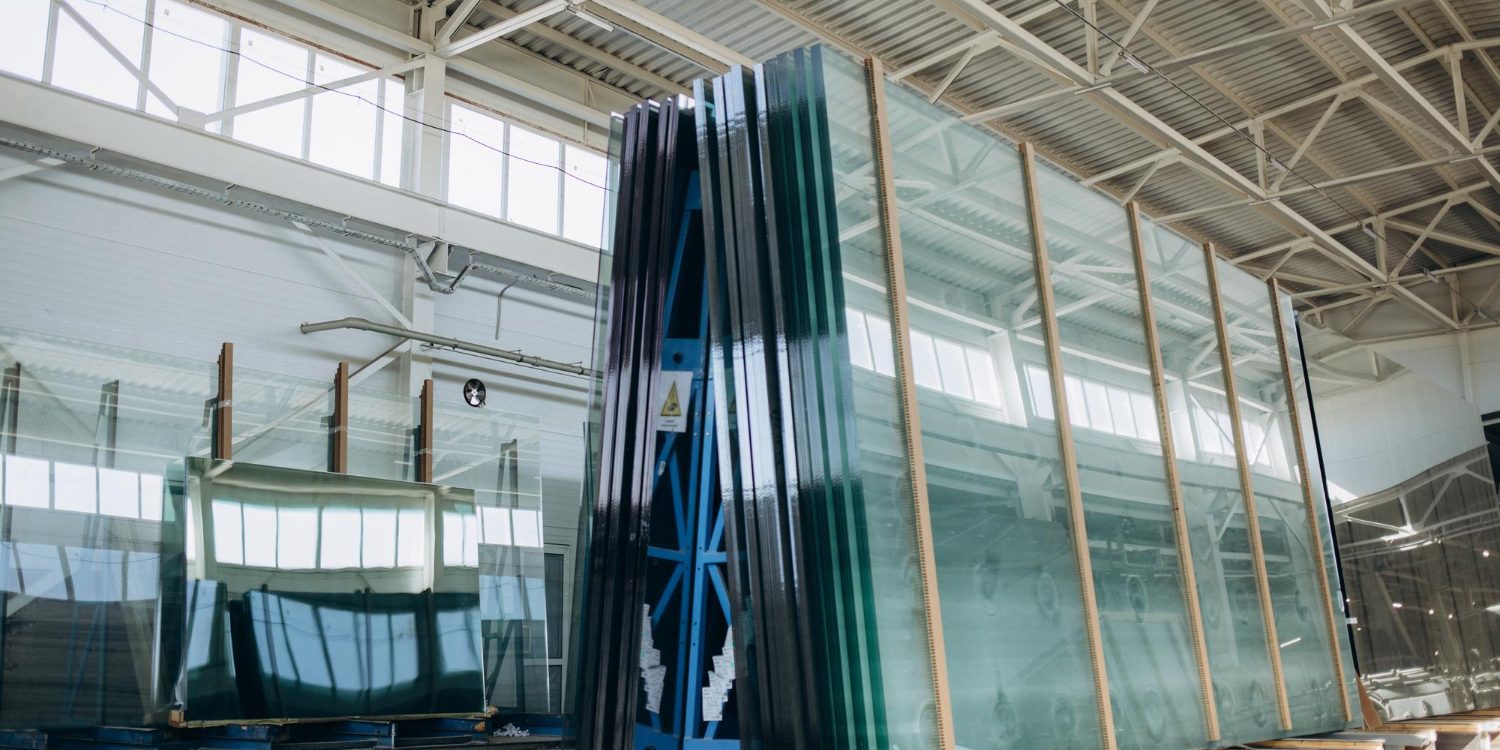
Glass has become one of the defining features of modern commercial architecture. Large storefronts, expansive office windows, and daylight-filled public spaces create attractive buildings while improving the experience for occupants. At the same time, those same glass surfaces have a direct impact on energy consumption, occupant comfort, and long-term operating costs.
Selecting the right insulated glass unit (IGU) is one of the most important decisions made during the design of a commercial building. While many people are familiar with the terms single pane, double pane, and triple pane, fewer understand how each option performs or when one should be selected over another.
The answer is not always as simple as choosing the unit with the most layers of glass. Climate, building use, energy goals, building orientation, and project budget all influence the right decision.
For commercial projects throughout Texas, Oklahoma, Louisiana, Arkansas, Missouri, Kansas, and New Mexico, understanding these differences helps contractors recommend glazing systems that deliver long-term value.
What Is an Insulated Glass Unit?
An insulated glass unit is a glazing assembly made from two or more panes of glass separated by a sealed spacer system. The sealed airspace between the panes slows heat transfer, helping buildings remain more comfortable while reducing the workload placed on heating and cooling equipment.
Many modern insulated glass units also include argon gas between the panes to further improve thermal performance. Low-E coatings are frequently added to reflect radiant heat while still allowing natural daylight to enter the building.
Together, these technologies create glazing systems that perform far better than traditional single-pane glass.
Understanding Single-Pane Glass
Single-pane glass consists of one sheet of glass installed directly into the framing system. Years ago, this was common in commercial construction because it was economical and widely available.
Today, however, single-pane glass is used far less often in conditioned commercial buildings.
Because there is no insulating airspace, heat transfers through the glass relatively easily. During hot southern summers, solar heat quickly enters the building, increasing cooling demands and making areas near the glass less comfortable. During colder weather, interior heat escapes just as easily.
Although single-pane glass may still be appropriate for certain interior applications or unconditioned spaces, it generally does not provide the energy performance expected in modern commercial construction.
Why Double-Pane IG Units Have Become the Industry Standard
For many commercial buildings, double-pane insulated glass units offer the best balance between performance, cost, and long-term value.
Instead of one sheet of glass, these units contain two panes separated by a sealed insulating space. That airspace dramatically reduces heat transfer compared to single-pane construction.
When paired with Low-E coatings and argon gas, double-pane units provide excellent thermal performance while maintaining attractive sightlines and abundant natural daylight.
This combination has become the preferred solution for office buildings, schools, retail developments, healthcare facilities, municipal buildings, hotels, and many other commercial projects throughout the southern United States.
Contractors appreciate their versatility, while owners benefit from lower operating costs and improved occupant comfort.
When Triple-Pane Glass Makes Sense
Triple-pane insulated glass units add a third pane of glass and an additional insulating space.
This design further reduces heat transfer and often improves sound control compared to traditional double-pane units. Buildings pursuing aggressive energy goals or exceptional indoor comfort may benefit from the additional performance.
However, triple-pane units also introduce additional weight, higher material costs, and increased structural demands on the framing system. Those factors should always be considered before specifying them.
For many commercial projects across Texas and neighboring states, the incremental performance improvement may not justify the additional expense. In other cases, such as specialized healthcare facilities, research laboratories, or buildings with demanding sustainability objectives, the investment may provide meaningful long-term value.
Energy Efficiency Is About More Than the Number of Panes
Many people assume adding more layers of glass automatically creates the most energy-efficient window.
In reality, several factors influence overall performance.
Low-E coatings often have a greater impact than simply adding another pane. Argon-filled cavities improve insulation beyond standard air-filled units. Spacer technology reduces thermal bridging around the perimeter of the glass. The aluminum storefront system itself also contributes to overall efficiency, particularly when thermally broken framing is used.
Evaluating these components together provides a much more accurate picture of how the completed storefront will perform.
Building Orientation Changes Everything
Not every elevation of a commercial building experiences the same environmental conditions.
South-facing and west-facing storefronts generally receive the greatest solar exposure during the day. These elevations often benefit the most from high-performance Low-E coatings and carefully selected insulated glass units.
North-facing glazing may prioritize daylight and occupant comfort differently than glass exposed to intense afternoon sun.
Architects and glazing contractors frequently evaluate each building elevation independently to determine the most effective glazing strategy rather than applying one solution everywhere.
Occupant Comfort Is Just as Important as Utility Bills
Energy efficiency often focuses on monthly operating costs, but occupant comfort is equally important.
Buildings with poor glazing frequently develop hot and cold spots near exterior windows. Employees avoid workstations near large storefronts, customers feel uncomfortable while shopping, and temperature fluctuations become difficult for facility managers to control.
Well-designed insulated glass units help create more consistent indoor temperatures throughout occupied spaces.
This improved comfort contributes to a better overall experience while supporting the building’s long-term performance goals.
The Framing System Matters as Much as the Glass
An insulated glass unit performs best when it is paired with a high-quality framing system. Even the most advanced glazing cannot overcome poor thermal performance in the surrounding aluminum frame.
Modern thermally broken aluminum storefront systems are designed to reduce heat transfer through the framing while helping control condensation and improving the overall efficiency of the building envelope. When these systems are combined with properly specified insulated glass units, they create an entrance or window system that performs significantly better than either component alone.
This is why experienced glazing contractors evaluate storefront framing, glass, sealants, weatherstripping, and installation methods as one complete assembly rather than as individual products.
Installation Protects Long-Term Performance
Selecting the right insulated glass unit is only the first step. Proper installation is equally important to achieving the performance expected from the glazing system.
Incorrect setting blocks, damaged edge seals, improper glazing techniques, or poorly installed weather barriers can allow air and moisture infiltration that reduces efficiency and shortens the lifespan of the insulated glass unit.
Careful handling during transportation and installation also protects the integrity of the sealed unit. Damage to the glass or spacer system before installation can affect long-term performance and may lead to premature seal failure.
Working with experienced glazing professionals helps ensure insulated glass units perform as designed for many years.
Looking Beyond the Initial Cost
It is natural to compare glazing options based on purchase price, but long-term value should play an equally important role in the decision.
Lower energy consumption, reduced maintenance on HVAC equipment, improved occupant comfort, and better overall building performance all contribute to the return on investment provided by insulated glass units.
For many commercial owners, choosing a slightly higher-performing glazing system during construction results in measurable savings throughout the life of the building. Those savings continue every day the building is occupied, making insulated glass one of the most valuable investments in the building envelope.
Rather than asking which glazing system costs the least today, many owners now ask which option will provide the greatest value over the next twenty or thirty years.
Matching the Right IG Unit to the Project
Every commercial project presents a different set of priorities. A retail storefront may emphasize visibility and daylight to attract customers, while a healthcare facility may focus on patient comfort and thermal stability. Schools often seek glazing systems that balance energy efficiency with durability, and office buildings frequently prioritize both operating costs and employee comfort.
Climate also influences product selection. Commercial buildings in Houston face different environmental conditions than projects in Tulsa or Kansas City. Solar exposure, humidity, prevailing weather, occupancy patterns, and building orientation all contribute to the ideal glazing specification.
Rather than assuming one insulated glass configuration works for every project, contractors should evaluate the building’s specific performance goals before making recommendations.
Working with the Right Commercial Supplier
Choosing insulated glass units involves more than selecting between single, double, or triple-pane construction. Different Low-E coatings, spacer technologies, glass thicknesses, gas fills, and framing systems all influence how the completed building will perform.
An experienced supplier helps contractors understand these options while recommending products that align with both the project’s performance goals and regional climate conditions.
Sky Building Materials partners with glazing contractors, general contractors, architects, window manufacturers, and commercial builders throughout Texas, Oklahoma, Louisiana, Arkansas, Missouri, Kansas, and New Mexico. From insulated glass units and Low-E glass to laminated glass, mirrors, aluminum storefront systems, commercial doors, and architectural hardware, the company provides products backed by knowledgeable service and dependable distribution.
Whether you are designing a new commercial development or renovating an existing building, working with experienced professionals helps simplify product selection while reducing costly delays.
Convenient Locations to Support Commercial Projects
Sky Building Materials serves commercial construction professionals throughout the southern and central United States from strategically located distribution facilities.
Dallas
10835 Shady Trail
Dallas, Texas 75220
(972) 807-9616
Houston
4600 S. Pinemont Drive
Houston, TX 77041
(346) 200-5046
Tulsa
7655 E. 41st Street
Tulsa, OK 74145
(918) 215-2737
These locations support contractors with commercial glazing products, aluminum storefront systems, insulated glass units, mirrors, architectural glass, commercial aluminum doors, and related building materials.
Frequently Asked Questions
What is an insulated glass unit?
An insulated glass unit (IGU) consists of two or more panes of glass separated by a sealed air or gas-filled space that improves thermal performance and energy efficiency.
Is double-pane glass better than single-pane glass?
For most commercial buildings, yes. Double-pane insulated glass significantly reduces heat transfer, improves occupant comfort, and lowers energy consumption compared to single-pane glass.
When should triple-pane glass be used?
Triple-pane glass is often appropriate for projects with demanding energy performance goals, specialized occupancy requirements, or locations where exceptional thermal performance is desired.
Do Low-E coatings improve insulated glass units?
Yes. Low-E coatings help reflect radiant heat while allowing natural daylight into the building, making insulated glass units substantially more energy efficient.
Does the storefront frame affect energy efficiency?
Absolutely. Thermally broken aluminum storefront systems work together with insulated glass units to improve the performance of the entire building envelope.
Conclusion
Choosing between single, double, and triple insulated glass units is about more than counting panes of glass. It requires understanding how thermal performance, climate, building use, framing systems, and long-term operating costs all work together. For most commercial buildings in the southern United States, modern double-pane insulated glass units with high-performance Low-E coatings provide an excellent balance of efficiency, comfort, and value. However, every project should be evaluated individually to ensure the glazing system supports the owner’s goals and the building’s unique performance requirements.
Sky Building Materials is committed to helping commercial contractors, architects, and building owners choose the right products for every application. Whether your project requires insulated glass units, Low-E glass, laminated glass, aluminum storefront systems, commercial aluminum doors, mirrors, or architectural hardware, our knowledgeable team is ready to assist.
To learn more about our commercial building products, visit the Sky Building Materials Contact Page. You can also follow the Sky Building Materials Facebook Page for product updates, project inspiration, and the latest commercial glazing insights.