powder-coated aluminum frames

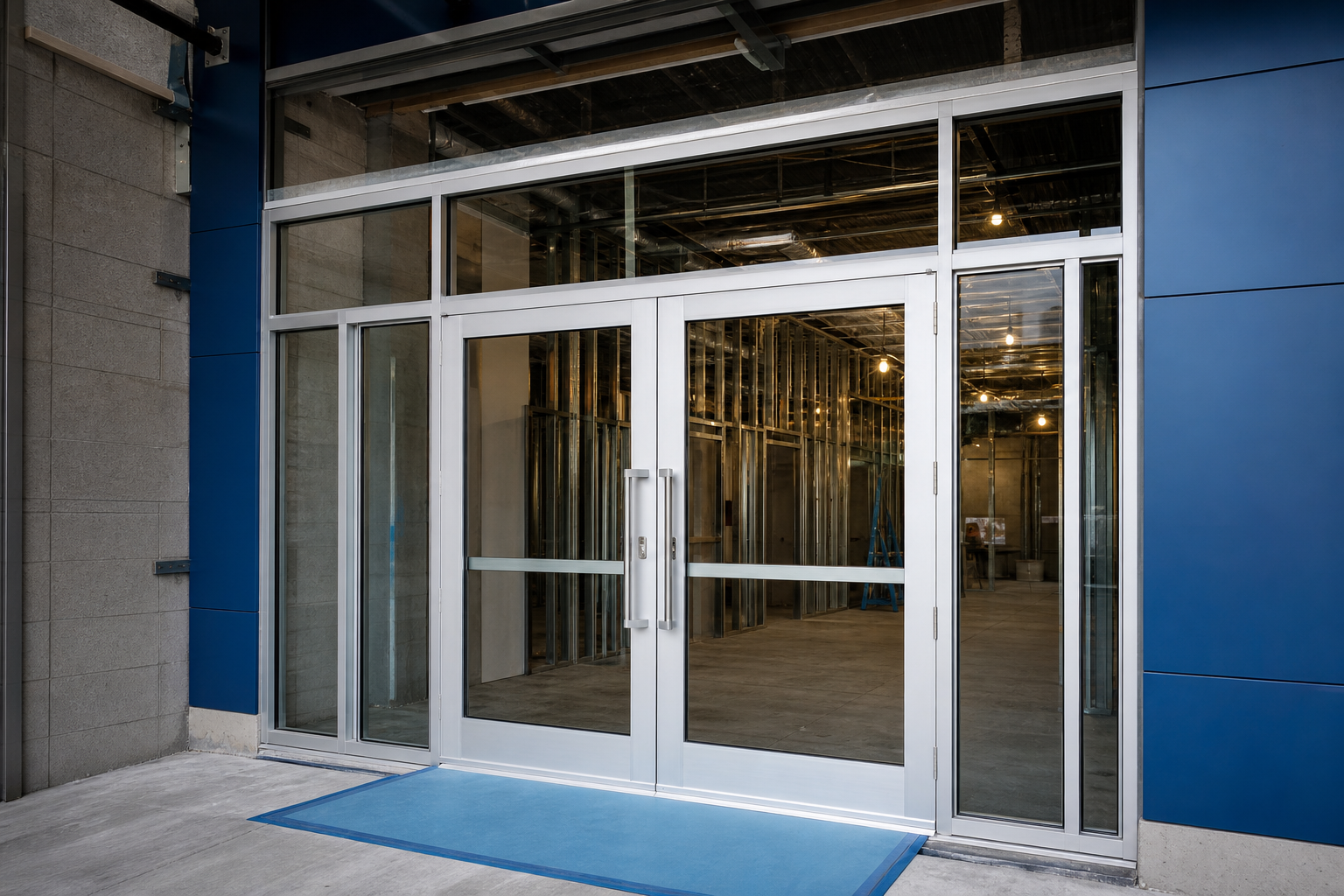
Why Powder-Coated Aluminum Frames Are Ideal for High-Traffic Entrances

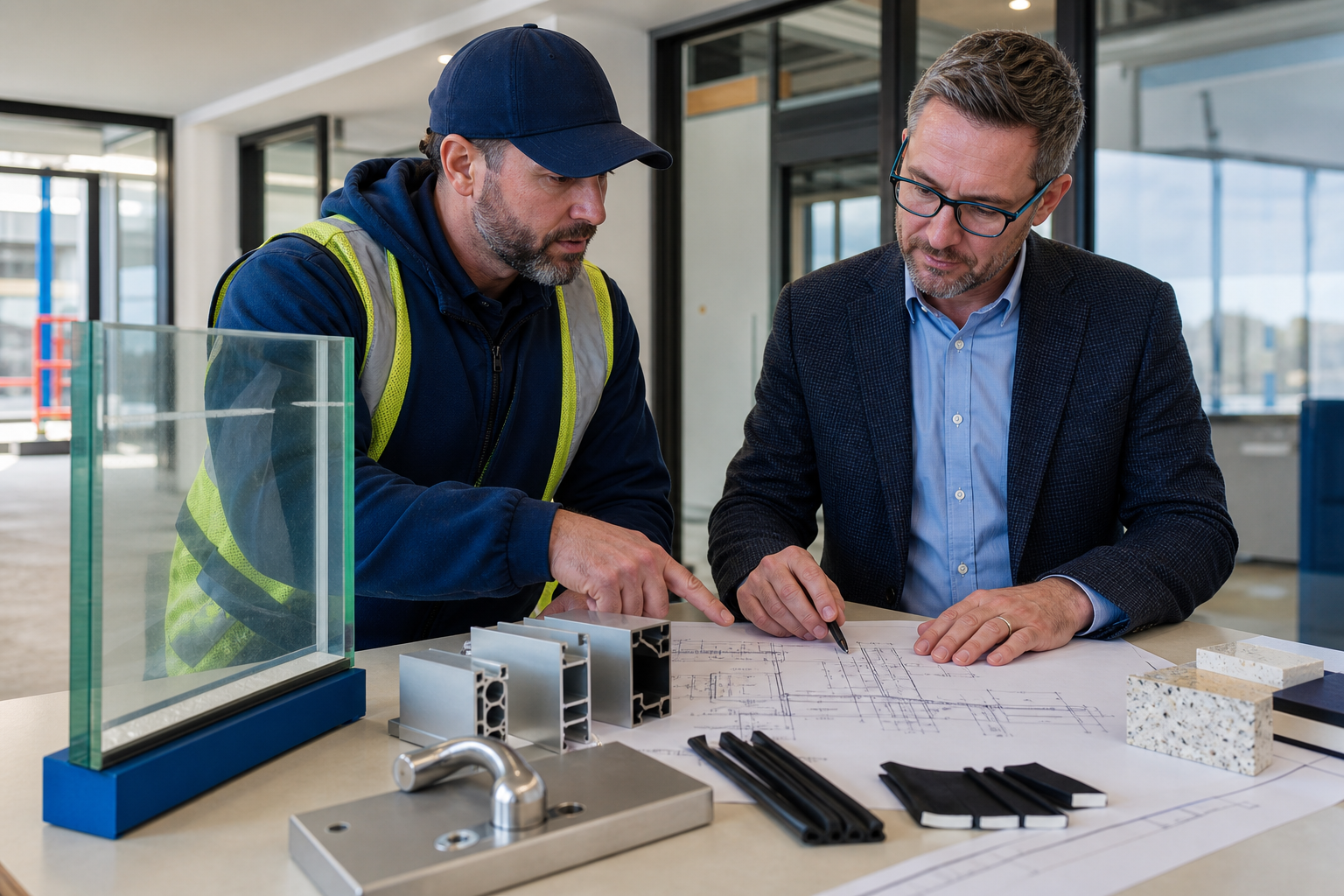
Commercial entrance systems experience constant daily stress. Doors open thousands of times each month. Shopping carts strike frames. Weather exposure wears down finishes. Cleaning chemicals, fingerprints, moisture, and heavy traffic all slowly impact performance and appearance. For glazing contractors and general contractors, selecting the right storefront framing system is about more than aesthetics. Long-term durability…

Details
low-conductivity spacers

How to Improve Glazing Efficiency Using Low-Conductivity Spacers in IGUs

Insulated glass units, commonly called IGUs, play a major role in commercial building performance. They help improve energy efficiency, indoor comfort, and long-term operational costs. While many contractors focus heavily on glass coatings and frame systems, spacer technology often gets overlooked. That is changing quickly. More glazing contractors, fabricators, and window manufacturers are now using…

Details
storm resistant glass

Why More Glazing Contractors Are Turning to Laminated Glass for Storm Resistance

Weather patterns across the United States continue to create new challenges for commercial construction. High winds, hail, severe thunderstorms, and debris impact events are becoming more common in many regions, especially across Texas, Oklahoma, Louisiana, Arkansas, Missouri, Kansas, and New Mexico. Because of this, more glazing contractors are turning to laminated glass systems for added…

Details
Clear vs. Patterned Glass - When Simplicity Outperforms Style

Clear vs Patterned Glass – When Simplicity Outperforms Style

Glass selection affects far more than appearance in commercial construction. It influences privacy, lighting, visibility, maintenance, and the overall customer experience inside a building. For glazing contractors, architects, and general contractors, choosing between clear and patterned glass often comes down to balancing function with design. While patterned glass can create visual interest and added privacy,…

Details
Choosing Between Narrow, Medium, and Wide Stile Aluminum Doors—What’s Best for You

Choosing Between Narrow, Medium, and Wide Stile Aluminum Doors—What’s Best for You

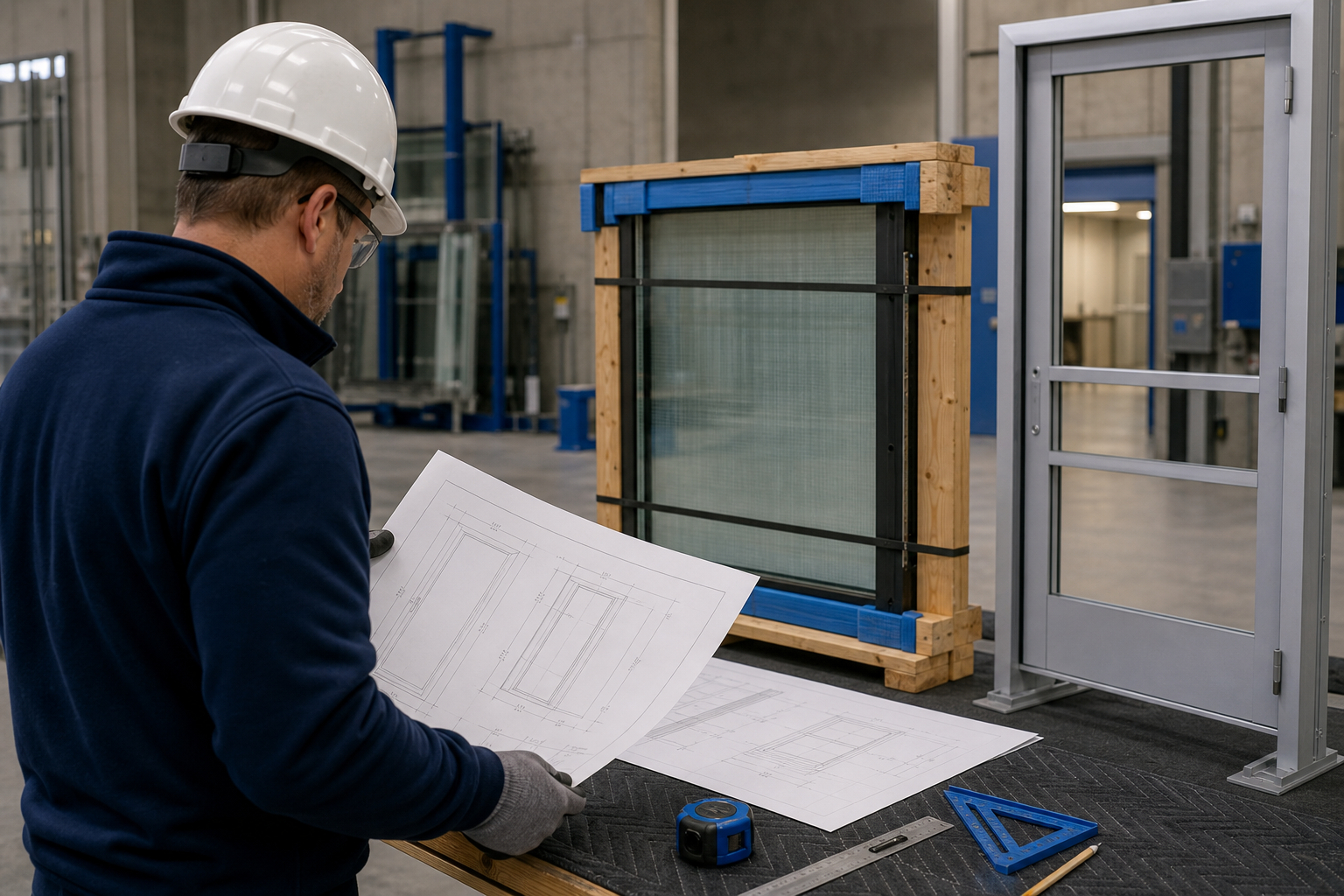
Aluminum storefront doors are one of the most visible and heavily used parts of a commercial building. They affect appearance, durability, security, accessibility, and long-term maintenance. For glazing contractors and general contractors, selecting the correct stile size can impact installation performance and customer satisfaction long after the project is complete. One of the most common…

Details
insulated glass units handling

The Contractor’s Checklist for Handling and Storing IG Units Safely

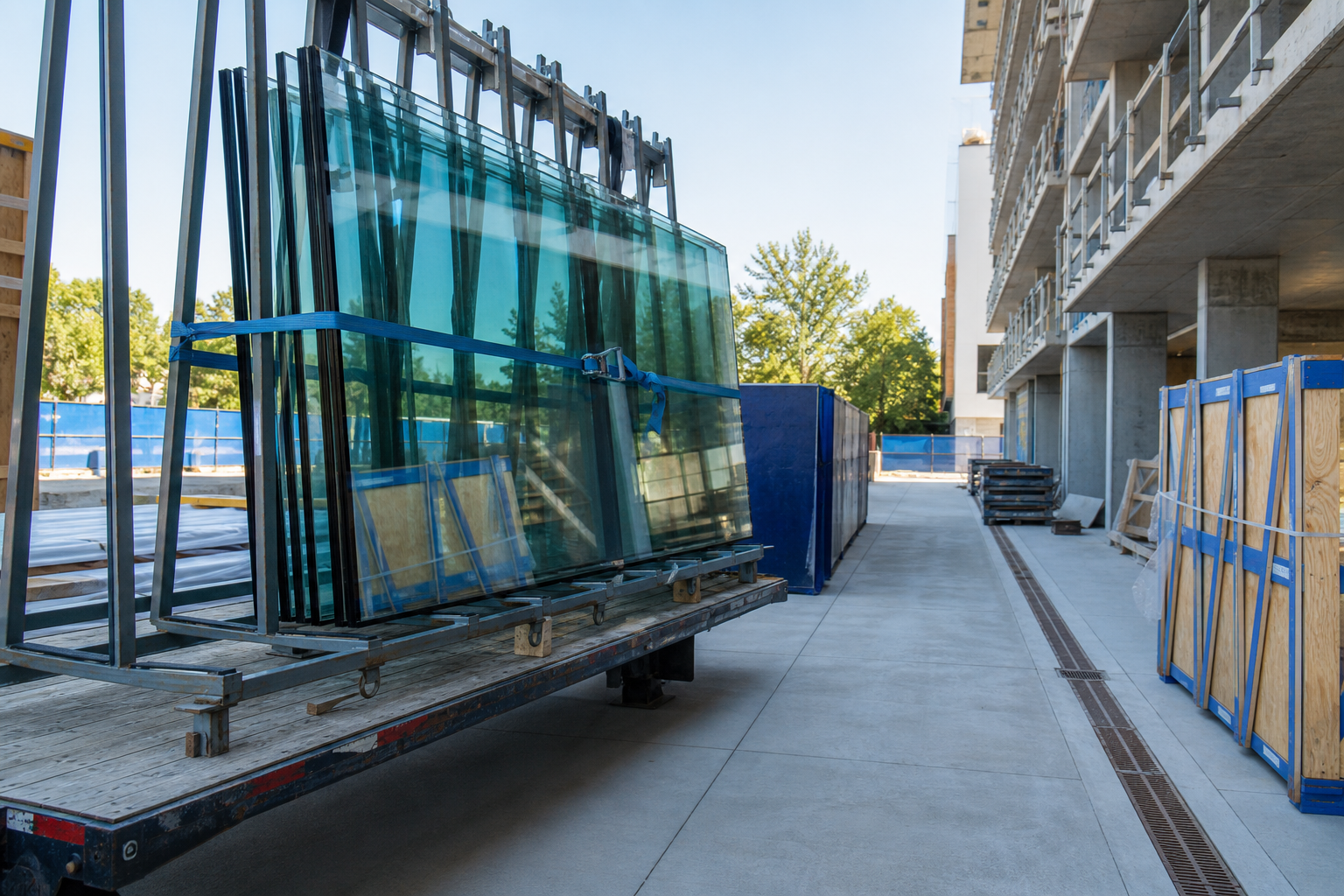
Insulated glass units (IG units) are a key component of modern commercial construction. These units help control heat transfer, improve energy efficiency, and provide clear visibility in storefront systems, windows, and curtain walls. Because IG units consist of multiple panes of glass sealed together with spacers and insulating gas, they require careful handling and storage…

Details
thermal break storefront systems

Thermal Break vs Non-Thermal Aluminum Storefront Systems – Contractor Guide

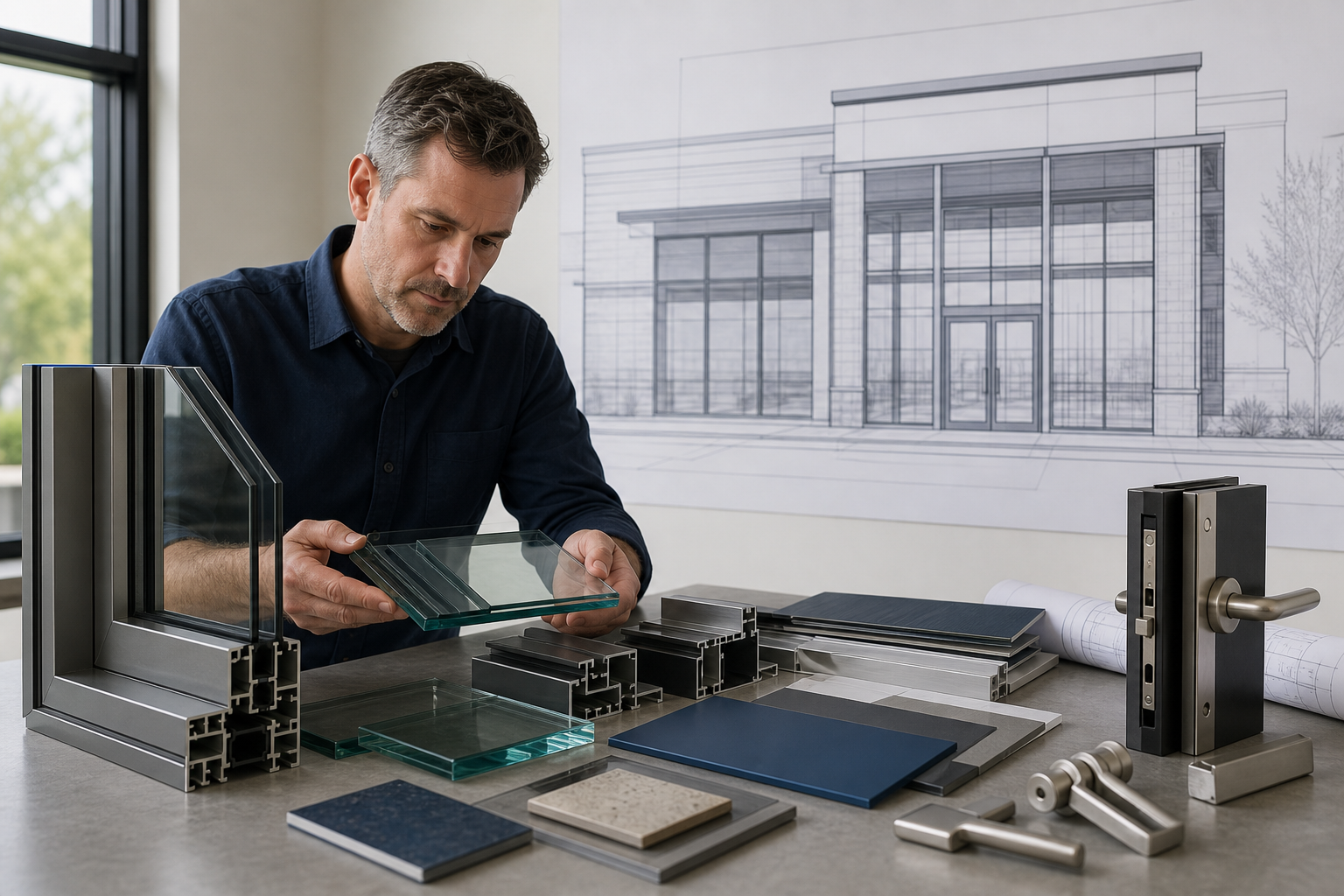
Aluminum storefront systems are a common choice in commercial construction. They provide strength, durability, and a clean architectural appearance that works well in retail spaces, office buildings, and schools. However, not all aluminum storefront systems perform the same way. One of the most important differences is whether the system includes a thermal break. Thermal break…

Details
Low-E glass types

Choosing the Right Low-E Glass for Warm vs Cool Climates – Contractor Guide

Energy efficiency has become one of the most important priorities in modern building design. Glass systems now play a major role in how buildings control heat, maintain comfortable temperatures, and reduce energy consumption. One of the most widely used technologies for improving glass performance is Low-E glass. Low-E, or low-emissivity, glass uses microscopic coatings to…

Details
glass safety ratings

Glass Strength and Safety Ratings Explained – Contractor Guide

Glass plays a major role in modern construction. From storefront systems to office buildings and residential windows, glass allows natural light to enter buildings while maintaining visibility and architectural style. But not all glass performs the same. Different types of glass offer different levels of strength and safety, and building codes often require specific glass…

Details
Low-E glass compatibility

Low-E Glass Compatibility with Sealants – What Fabricators Need to Know

Low-E glass has become one of the most important materials in modern building design. It improves energy efficiency, reduces heat transfer, and helps buildings maintain comfortable interior temperatures year-round. Because of these benefits, Low-E coated glass is widely used in insulated glass units (IG units), commercial storefront systems, office buildings, and residential windows. However, one…

Details