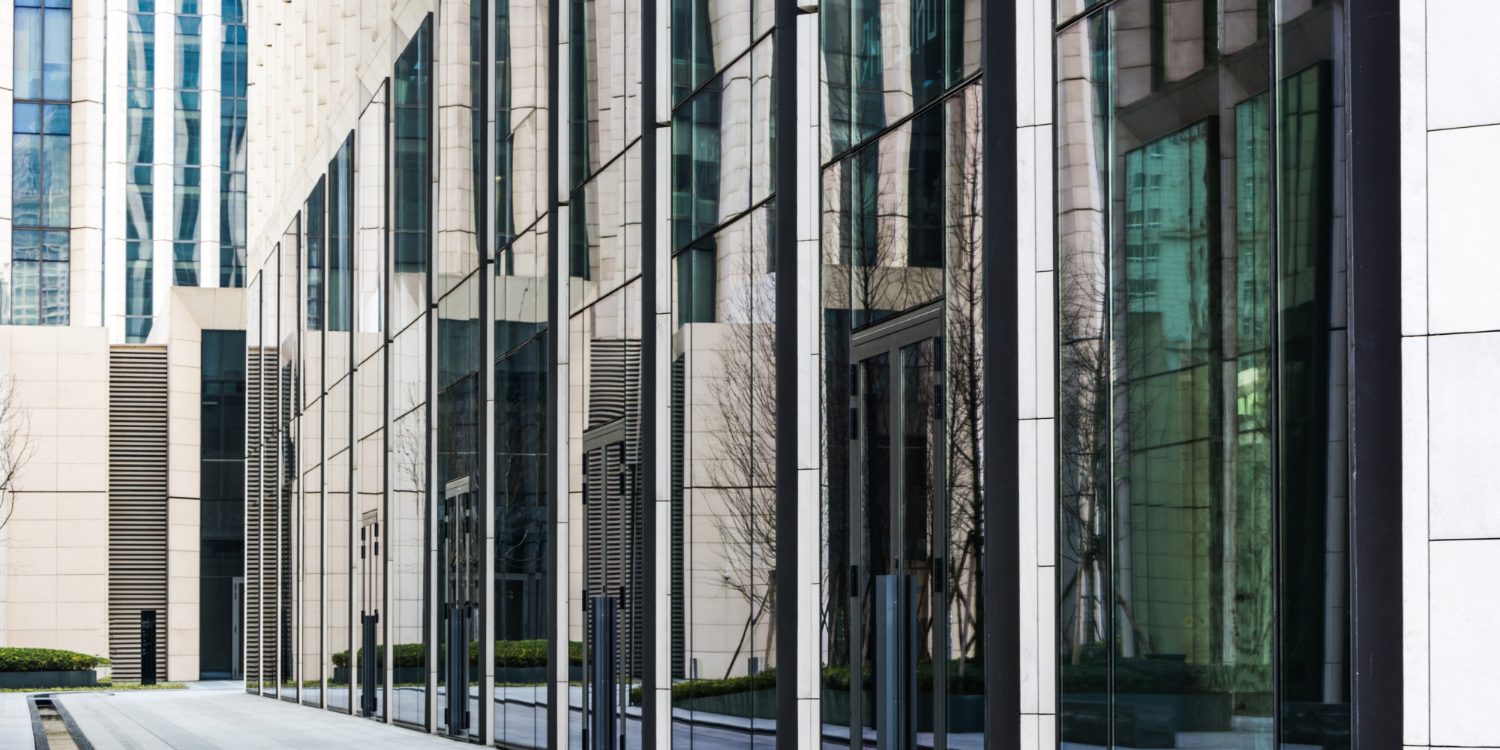
A commercial storefront is much more than the entrance to a building. It creates the first impression for customers, supports the structural integrity of the façade, improves energy efficiency, and protects the interior from weather. In southern states such as Texas, Oklahoma, Louisiana, Arkansas, Missouri, Kansas, and New Mexico, those responsibilities become even more important because storefront systems must withstand heat, humidity, heavy rain, strong winds, and years of constant exposure to the elements.
Choosing the right aluminum storefront system is not simply a matter of selecting a frame that looks attractive. Contractors, architects, and building owners must consider thermal performance, corrosion resistance, glazing compatibility, maintenance requirements, and local building codes before making a final decision. A system that performs well in a dry northern climate may not deliver the same long-term results along the Gulf Coast or throughout the southern plains.
Understanding what separates one storefront system from another helps ensure the finished building performs as well ten years from now as it does on opening day.
Why Aluminum Remains the Industry Standard
Commercial storefront systems have evolved significantly over the past several decades, but aluminum continues to be the preferred framing material for most low-rise commercial buildings. It offers an excellent combination of strength, weight, durability, and design flexibility while requiring relatively little maintenance throughout its lifespan.
Unlike heavier materials, aluminum allows architects to design larger expanses of glass with narrow sightlines that create clean, modern appearances. Contractors also appreciate aluminum because it is easier to fabricate, transport, and install than many alternative framing materials.
Perhaps most importantly for southern climates, properly finished aluminum resists corrosion exceptionally well. Powder-coated and anodized finishes help protect storefront systems from moisture, ultraviolet exposure, and changing weather conditions that can shorten the life of other materials.
Humidity Creates Unique Challenges
Humidity affects nearly every component of a commercial building. Moisture works its way into small openings, temperature changes create condensation, and prolonged exposure can accelerate corrosion if materials are not properly selected.
A quality storefront system is designed to manage moisture rather than simply keeping water out. Drainage paths, weep systems, properly engineered gaskets, and compatible sealants all work together to move water away from the framing system before it can create problems.
When moisture management is overlooked, contractors may eventually see water infiltration, staining, sealant failure, mold growth, or premature deterioration around the storefront opening. These issues often take months or years to develop, making proper system selection one of the most important decisions during design.
Thermal Performance Matters More Than Ever
Modern energy codes continue to place greater emphasis on building envelope performance. Storefront systems now play an important role in reducing heating and cooling costs while improving occupant comfort.
Thermally broken aluminum storefront systems have become increasingly common because they significantly reduce heat transfer through the framing itself. Instead of allowing exterior temperatures to move directly through the aluminum, a thermal barrier separates the interior and exterior portions of the frame.
This improvement becomes especially valuable during long southern summers when outdoor temperatures regularly exceed 90 degrees. Buildings remain more comfortable, HVAC systems operate more efficiently, and owners benefit from lower energy costs throughout the life of the structure.
When paired with high-performance Low-E insulated glass units, thermally improved storefront systems create an effective building envelope that supports both energy efficiency and occupant comfort.
Choosing the Right Glass for Your Storefront
The aluminum framing system represents only one part of the storefront assembly. The glazing selected for the project has an equally significant impact on overall performance.
For many commercial projects across the southern United States, insulated glass units with Low-E coatings provide an ideal combination of daylight, energy efficiency, and occupant comfort. Depending on the project, contractors may also specify laminated glass for additional security or sound control, or tinted glass to reduce glare and solar heat gain.
The important point is that the framing system and the glazing should always be evaluated together. High-performance glass installed in an outdated framing system may never achieve its full potential. Likewise, an advanced storefront system cannot overcome poor glazing specifications.
The most successful projects treat the storefront as a complete engineered assembly rather than a collection of individual components.
Consider Building Type and Occupancy
Not every commercial building places the same demands on its storefront.
A retail center may prioritize visibility and natural light to attract customers. A healthcare facility may focus on patient comfort and energy efficiency. Schools often seek durable systems capable of withstanding years of heavy use, while office buildings frequently balance aesthetics with long-term operating costs.
Understanding how the building will be used helps determine which storefront features deserve the highest priority.
Architectural appearance is certainly important, but it should never come at the expense of long-term performance. Selecting products based solely on initial cost often results in higher maintenance expenses and earlier replacement later in the building’s life.
Weather Resistance Is About More Than Rain
Many contractors immediately think about water infiltration when discussing storefront performance, but southern weather creates additional challenges.
High winds place repeated stress on framing systems and glazing. Large temperature swings cause materials to expand and contract throughout the year. Ultraviolet exposure gradually affects finishes and sealants. Wind-driven rain can test every gasket and joint within the storefront assembly.
Quality commercial storefront systems are engineered and tested to perform under these demanding conditions. Choosing products that meet or exceed applicable performance standards helps reduce callbacks while protecting both the contractor’s reputation and the owner’s investment.
Think Beyond Today’s Building Codes
Building codes establish minimum requirements, but minimum performance is not always the best long-term solution.
Many owners now view storefront systems as long-term investments that influence operating costs, maintenance requirements, tenant satisfaction, and property value. Spending slightly more on a better-performing system often delivers measurable returns throughout the building’s lifecycle.
For contractors, recommending higher-performing products also demonstrates expertise and helps establish stronger relationships with owners who value quality over short-term savings.
Installation Quality Is Just as Important as Product Selection
Even the best storefront system can fail if it is installed incorrectly. Proper installation begins long before the first frame is set in place. Accurate field measurements, careful coordination with other trades, and a thorough understanding of the manufacturer’s installation requirements all contribute to long-term performance.
Sealants deserve particular attention. Selecting the correct sealant is only part of the process. The substrate must be properly prepared, joints must be sized correctly, and installation should follow the manufacturer’s recommendations. A poorly installed sealant joint can allow water infiltration that damages finishes, insulation, drywall, or flooring long before anyone notices a problem.
Glazing procedures also matter. Setting blocks, edge clearances, pressure plates, gaskets, and fasteners all work together to create a weather-resistant system. Skipping steps or substituting components may save time initially, but those shortcuts often become expensive warranty issues later.
Plan for Long-Term Maintenance
One reason aluminum storefront systems remain popular is their relatively low maintenance requirements. However, “low maintenance” does not mean “no maintenance.”
Building owners should periodically inspect storefront systems for damaged sealants, clogged weep holes, loose hardware, worn weatherstripping, and signs of impact damage. Dirt, pollen, and environmental contaminants should also be cleaned from both the aluminum framing and the glass using products recommended by the manufacturer.
Preventive maintenance helps preserve the appearance of the storefront while extending its service life. It also allows small issues to be corrected before they become larger repairs that interrupt building operations or require replacement components.
For facilities located near the Gulf Coast or other coastal environments, regular cleaning becomes even more important because airborne salt can accelerate corrosion if left on exterior surfaces for extended periods.
Door Hardware Should Never Be an Afterthought
A storefront entrance is only as reliable as the hardware attached to it.
Commercial entrance systems depend on properly matched closers, pivots, hinges, panic devices, locks, thresholds, and weatherstripping. These components experience thousands of cycles every year, particularly in schools, retail centers, healthcare facilities, and office buildings with high pedestrian traffic.
Choosing commercial-grade hardware that has been tested for compatibility with the storefront system improves reliability and reduces maintenance. Contractors should also consider accessibility requirements, security needs, and expected traffic volumes when selecting hardware packages.
A well-designed entrance should operate smoothly for years while maintaining proper alignment, weather resistance, and security.
Think About the Entire Building Envelope
Storefront systems should never be evaluated in isolation. They interact with roofing systems, wall assemblies, insulation, flashing, vapor barriers, and glazing to create the building envelope.
When these components work together, they help control air infiltration, moisture movement, and thermal transfer. When one component is overlooked, the entire system may suffer.
This is why experienced commercial contractors often involve suppliers early in the project. Product recommendations based on the complete building assembly frequently produce better long-term results than selecting materials independently.
Choosing the Right Supplier Makes a Difference
Material selection is only one part of a successful commercial project. Contractors also depend on suppliers who understand commercial construction schedules, product compatibility, and regional building requirements.
An experienced supplier can help identify appropriate storefront systems, recommend compatible glazing products, coordinate commercial hardware, and answer technical questions before they become jobsite issues.
Reliable inventory and dependable delivery schedules also reduce delays that can affect multiple trades working on the project.
For glazing contractors and general contractors, partnering with a knowledgeable distributor often saves both time and money throughout construction.
Supporting Commercial Construction Across the Southern United States
Sky Building Materials supplies commercial storefront systems, aluminum doors, architectural glass, mirrors, laminated glass, tinted glass, insulated glass units, and commercial door hardware to contractors throughout the region.
Whether you are constructing a retail center in Texas, renovating a medical office in Oklahoma, building a school in Arkansas, or developing a commercial office in Louisiana, selecting products designed for southern climates helps improve long-term performance.
Convenient distribution centers support contractors throughout the region.
Dallas
10835 Shady Trail
Dallas, Texas 75220
(972) 807-9616
Houston
4600 S. Pinemont Drive
Houston, TX 77041
(346) 200-5046
Tulsa
7655 E. 41st Street
Tulsa, OK 74145
(918) 215-2737
Frequently Asked Questions
What is an aluminum storefront system?
An aluminum storefront system is a non-load-bearing framing system that supports commercial entrances and large glass openings. It is commonly used in offices, retail centers, schools, healthcare facilities, and other low-rise commercial buildings.
Are thermally broken storefront systems worth the investment?
Yes. Thermally broken systems reduce heat transfer through the aluminum frame, improving energy efficiency and helping lower heating and cooling costs.
Can storefront systems use insulated glass?
Absolutely. Many commercial storefronts are designed to accommodate insulated glass units, Low-E glass, laminated glass, and tinted glass depending on the project’s performance goals.
How long do aluminum storefront systems last?
With quality materials, proper installation, and routine maintenance, aluminum storefront systems can provide decades of reliable service.
Do humid climates require different storefront systems?
Humid environments place greater demands on moisture management, corrosion resistance, drainage, and sealant performance. Selecting systems designed for these conditions improves long-term durability.
Conclusion
Selecting the right aluminum storefront system involves much more than choosing a frame that complements the building’s architecture. Climate, thermal performance, moisture management, glazing compatibility, installation quality, and long-term maintenance all influence how well the system will perform over time. In the southern United States, where heat, humidity, and severe weather are part of everyday life, making informed decisions during the specification process helps protect both the building and the owner’s investment.
Working with experienced suppliers who understand commercial glazing systems can simplify product selection and help contractors avoid costly mistakes. From aluminum storefront systems and commercial doors to Low-E glass, insulated glass units, laminated glass, mirrors, and commercial door hardware, Sky Building Materials provides the products and expertise needed to support successful commercial projects throughout the region.
To learn more about available products or discuss your next project, visit the Sky Building Materials Contact Page. You can also follow the Sky Building Materials Facebook Page for industry updates, product information, and commercial construction insights.