
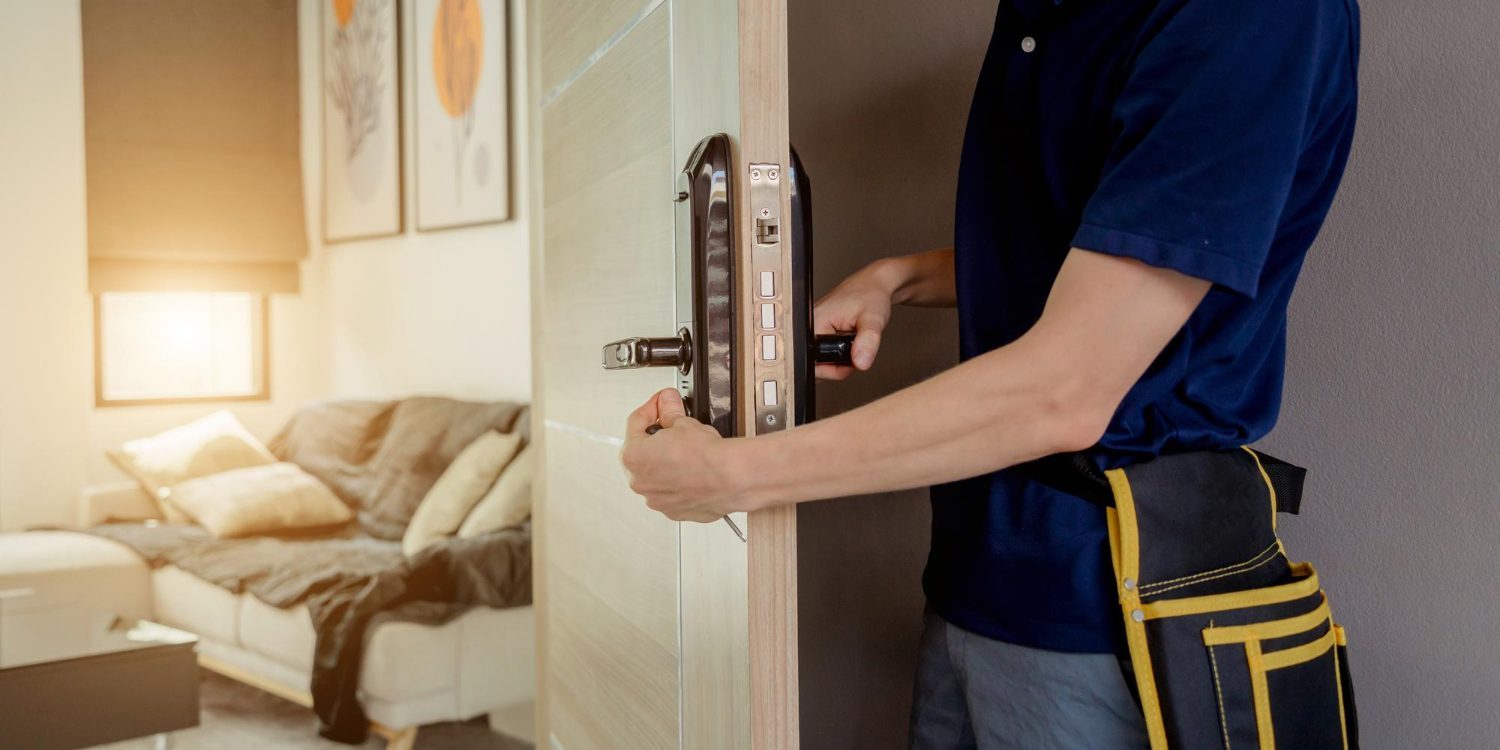
The aluminum doors are installed. The storefront glass is in place. The project is nearly complete. Then someone discovers the panic device will not fit the door preparation, the closer conflicts with the frame, or the electric strike is incompatible with the lockset that was ordered weeks earlier.
Unfortunately, situations like these happen more often than many contractors would like to admit. Door hardware compatibility issues can delay inspections, increase labor costs, require replacement parts, and postpone occupancy. In many cases, the doors themselves are not the problem. The issue is that individual hardware components were selected without considering how they function together as a complete system.
Commercial door openings are engineered assemblies. Every hinge, pivot, closer, lock, panic device, threshold, weather seal, and access control component plays a role in the performance of the finished entrance. Understanding how those pieces work together helps contractors avoid costly surprises while delivering buildings that operate safely and reliably for years.
Why Hardware Compatibility Matters
Commercial doors experience constant use. In an office building, a single entrance may open and close hundreds of times every day. Schools, hospitals, retail centers, and government facilities often see even greater traffic.
Every opening depends on hardware that performs consistently under those demanding conditions.
When compatible components are selected, doors operate smoothly, close properly, latch securely, and comply with applicable building and life safety codes. Occupants rarely think about the hardware because it simply works.
When incompatible products are installed, however, problems become obvious very quickly. Doors may fail to latch, closers may wear prematurely, panic devices may bind, or access control systems may not function correctly. Even minor incompatibilities can create frustration for building owners and additional service calls for contractors.
Selecting compatible hardware from the beginning reduces these risks and helps projects stay on schedule.
Think of the Door as a Complete System
One of the most common misconceptions is that commercial door hardware can be selected one piece at a time. While each component serves a different purpose, they are designed to operate together as a complete assembly.
A commercial entrance typically includes the aluminum door, frame, hinges or pivots, locking hardware, closer, threshold, weatherstripping, glazing, and sometimes automatic operators or electronic access control equipment. Changing one component often affects several others.
For example, selecting a heavier insulated glass unit may increase the weight of the door. That additional weight could require different hinges, a larger closer, or reinforced hardware preparations. Likewise, upgrading to a panic device may require different locking hardware than originally specified.
Looking at the entire opening instead of individual products helps prevent these conflicts before materials reach the jobsite.
Start with the Door Manufacturer’s Requirements
Every commercial aluminum door is manufactured with specific hardware preparations and performance limitations.
Before selecting hardware, contractors should review the manufacturer’s recommendations for compatible products. These guidelines identify approved hinges, pivots, closers, locks, and exit devices that have been tested with the door system.
Ignoring those recommendations may create installation challenges or void product warranties.
Manufacturers invest significant time testing complete assemblies. Using approved hardware combinations helps ensure the finished opening performs as intended throughout its service life.
Understanding Door Weight and Usage
Not every commercial entrance experiences the same amount of traffic.
A rear service entrance used only by employees places different demands on hardware than the primary entrance to a busy hospital or university. Selecting hardware based on appearance alone often leads to premature wear.
Door weight also influences hardware selection. Larger doors, thicker glazing, and insulated glass units increase the overall operating weight of the entrance. Hardware must be capable of supporting that weight while maintaining smooth operation over thousands of opening cycles.
High-traffic buildings generally benefit from heavy-duty commercial hardware designed specifically for demanding environments.
Hinges or Pivots?
One of the earliest hardware decisions involves choosing between hinges and pivots.
Traditional butt hinges remain common for many commercial aluminum doors because they are familiar, durable, and relatively easy to maintain.
Center-hung or offset pivots, however, offer advantages for larger or heavier doors. Because pivots transfer weight differently than hinges, they often provide smoother operation on oversized entrances while reducing stress on the frame.
The correct choice depends on door size, weight, anticipated traffic, architectural design, and manufacturer recommendations.
Choosing the Right Door Closer
Door closers perform one of the most important functions in any commercial entrance.
Beyond simply closing the door, they help maintain security, improve accessibility, protect hardware from abuse, and support fire-rated assemblies where required.
Closer selection should consider several factors, including door size, weight, opening frequency, wind exposure, and accessibility requirements.
Buildings with significant wind loads, such as those along the Gulf Coast, often require closer adjustments that differ from projects located farther inland. Selecting an undersized closer may result in doors that fail to latch properly, while oversized closers can make entrances difficult to operate.
Proper adjustment after installation is equally important for long-term performance.
Locks, Panic Devices, and Security
Security expectations continue evolving in commercial construction.
Many buildings now combine traditional mechanical locks with electronic access control, keyless entry systems, and emergency egress hardware. These components must work together while satisfying applicable life safety requirements.
Panic devices remain common on schools, assembly occupancies, healthcare facilities, and many public buildings because they allow occupants to exit quickly during emergencies.
Selecting compatible locksets, exit devices, strikes, and access control equipment early in the project helps avoid conflicts during installation.
Security should always complement life safety—not compete with it.
Accessibility Cannot Be Overlooked
Commercial entrances must also satisfy accessibility requirements.
Door hardware should allow individuals of varying abilities to enter and exit safely and comfortably. Hardware mounting heights, operating forces, clearances, and automatic door operators may all affect compliance depending on the building type.
Considering accessibility during the specification process helps prevent expensive modifications after inspections begin.
Designing entrances that are both accessible and durable benefits every building occupant.
Fire-Rated Openings Require Special Attention
Fire-rated door assemblies introduce another level of complexity when selecting hardware. Every component attached to a fire-rated opening must be compatible with the tested and approved door assembly. Substituting hardware that has not been evaluated for use with the door can affect code compliance and may compromise the performance of the opening during a fire.
Fire-rated doors commonly require self-closing devices, approved hinges or pivots, positive latching hardware, and in some cases smoke seals. Contractors should always verify that replacement or upgraded hardware maintains the required fire rating rather than assuming similar products are interchangeable.
Planning ahead prevents costly changes during inspections and helps keep projects moving toward completion.
Electronic Access Control Continues to Grow
Modern commercial buildings increasingly incorporate electronic access control systems into their entrance designs. Offices, healthcare facilities, schools, and industrial buildings often rely on card readers, keypad systems, wireless credentials, or mobile access technology to improve security while providing convenient entry for authorized users.
Although these systems add flexibility, they also increase the importance of hardware compatibility.
Electric strikes, magnetic locks, electrified panic devices, request-to-exit sensors, automatic operators, and building management systems must communicate effectively with one another. A problem with one component can affect the performance of the entire entrance.
Early coordination between contractors, hardware suppliers, electricians, security professionals, and building owners helps prevent integration issues later in the project.
Weather Protection Depends on More Than the Door
Many commercial entrances throughout Texas, Oklahoma, Louisiana, Arkansas, Missouri, Kansas, and New Mexico face constant exposure to heat, humidity, heavy rain, and seasonal storms.
While aluminum doors offer excellent durability, weather resistance also depends on properly selected thresholds, sweeps, weatherstripping, gasketing, and sealants. These components reduce air infiltration, help manage water, and improve overall energy efficiency.
Hardware compatibility extends beyond locks and closers. Choosing weather-resistant accessories designed for the specific storefront system contributes to a tighter building envelope and helps reduce long-term maintenance concerns.
Avoid Common Specification Mistakes
Many hardware problems can be traced back to small specification decisions made early in the project.
One common mistake is mixing products from different manufacturers without verifying compatibility. While individual components may appear similar, mounting locations, clearances, and operating requirements often differ.
Another issue involves overlooking the weight of the completed door. Aluminum entrances with insulated glass units or laminated safety glass may require heavier-duty hardware than originally anticipated.
Contractors should also avoid treating hardware as a last-minute purchase. Waiting until installation begins often limits available options and increases the likelihood of substitutions that have not been fully evaluated.
Finally, communication matters. Reviewing hardware schedules with suppliers before orders are finalized helps identify potential conflicts while there is still time to make adjustments.
The Value of Working with an Experienced Supplier
Commercial door hardware involves far more than selecting hinges and locks from a catalog. Product compatibility, code requirements, accessibility standards, traffic demands, and building security all influence the final hardware package.
An experienced supplier understands these relationships and can help contractors identify complete solutions rather than individual parts. That guidance often prevents delays, reduces callbacks, and improves the long-term performance of the finished entrance.
Sky Building Materials works with glazing contractors, general contractors, architects, and commercial builders throughout the southern United States by providing aluminum doors, storefront systems, architectural glass, insulated glass units, mirrors, laminated glass, commercial door hardware, and related building materials.
Whether your project involves a retail storefront, healthcare facility, educational campus, industrial building, or office development, having knowledgeable support throughout the specification process can make a meaningful difference.
Supporting Commercial Projects Across the Region
Sky Building Materials serves commercial construction professionals from strategically located distribution centers that support projects throughout Texas, Oklahoma, Louisiana, Arkansas, Missouri, Kansas, and New Mexico.
Dallas
10835 Shady Trail
Dallas, Texas 75220
(972) 807-9616
Houston
4600 S. Pinemont Drive
Houston, TX 77041
(346) 200-5046
Tulsa
7655 E. 41st Street
Tulsa, OK 74145
(918) 215-2737
With access to quality commercial products and knowledgeable customer support, contractors can specify compatible door systems with greater confidence while keeping projects on schedule.
Frequently Asked Questions
Why is door hardware compatibility important?
Compatible hardware allows commercial doors to operate smoothly, meet building code requirements, improve security, and reduce long-term maintenance issues.
Can any panic device be installed on an aluminum storefront door?
No. Panic devices should be compatible with the specific door and frame preparation and should meet applicable code and manufacturer requirements.
Does door weight affect hardware selection?
Yes. Larger doors and doors containing insulated or laminated glass often require heavier-duty hinges, pivots, and closers.
Should hardware be selected before the doors are ordered?
Yes. Coordinating hardware early helps ensure the doors are properly prepared during manufacturing and reduces installation delays.
Can electronic access control affect hardware compatibility?
Absolutely. Electrified locks, access control systems, automatic operators, and exit devices must be designed to function together as an integrated system.
Conclusion
Commercial door hardware may seem like a small part of a construction project, but it has a significant impact on safety, security, accessibility, and long-term building performance. Looking at the entire opening as a complete system—not just individual components—helps contractors avoid costly compatibility issues while delivering reliable entrances that serve building owners for years to come.
Whether you are specifying aluminum doors, storefront systems, commercial door hardware, insulated glass units, or architectural glass, working with an experienced supplier can simplify the process and reduce costly surprises. Sky Building Materials provides quality commercial building products and knowledgeable support for projects across the southern United States.
To learn more about available products or discuss your next commercial project, visit the Sky Building Materials Contact Page. For product updates, industry news, and commercial construction resources, follow the Sky Building Materials Facebook Page.