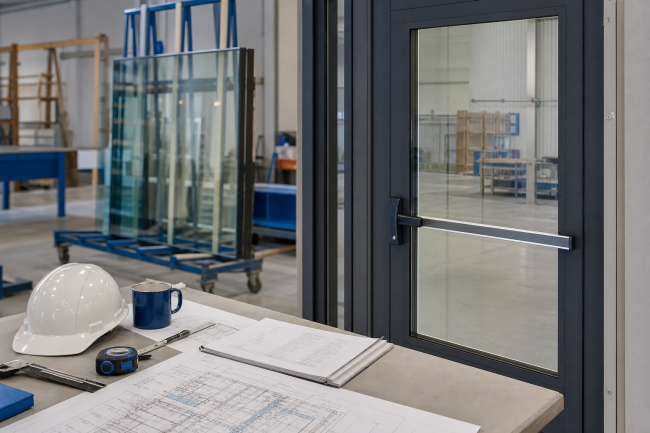
How to Select Fire-Rated Glass Products for Applicable Building-Code Requirements
A practical selection process for matching fire-rated glass, framing, doors, and hardware to the rated opening and project documentation.
GREAT QUALITY • QUICK TIMING • EVEN BETTER SERVICE

A practical selection process for matching fire-rated glass, framing, doors, and hardware to the rated opening and project documentation.
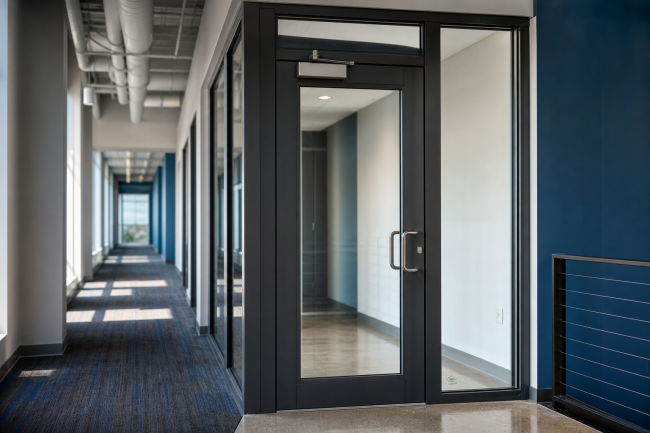
Learn the practical difference between fire-protective and fire-resistive glass, including heat-transfer performance, opening type, compatible components, and submittal considerations.
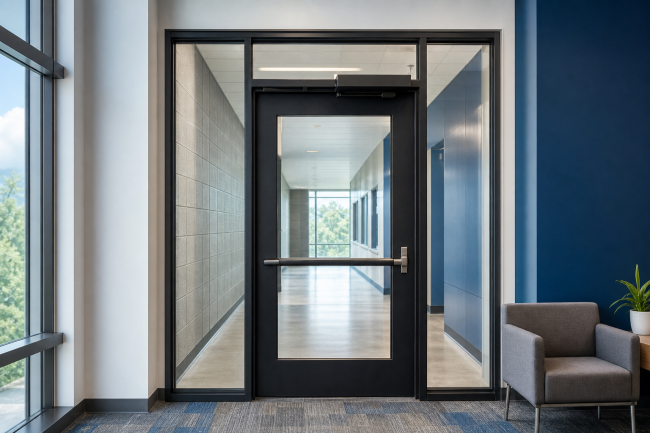
A practical guide to selecting KERALITE® SELECT fire-rated glass ceramic for commercial openings, including ratings, opening types, framing, safety needs, and submittal coordination.
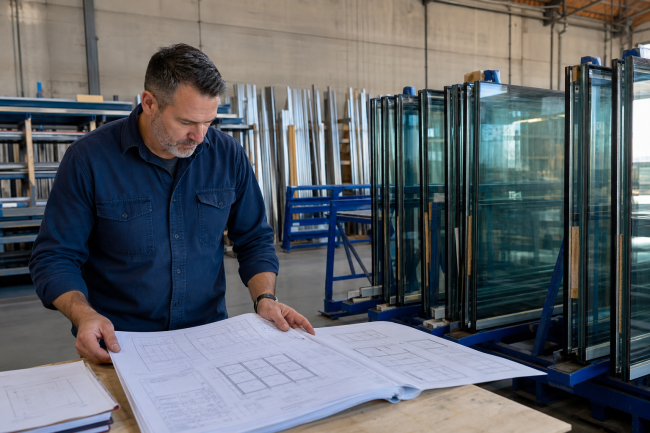
A practical buying guide for contractors and glaziers sourcing fire-rated glass in Dallas–Fort Worth, including documents, system coordination, and quote details.
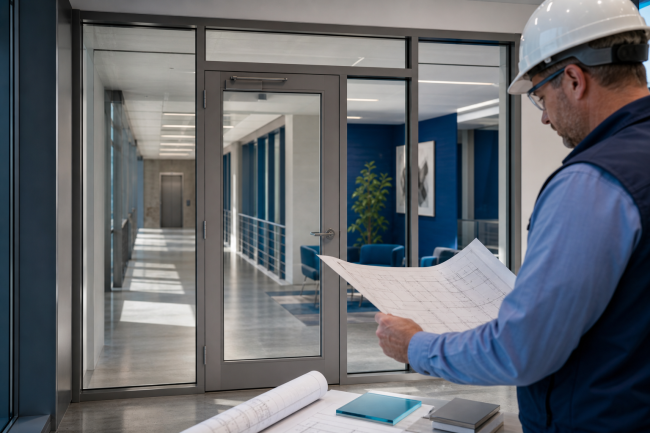
Learn how fire-protective and fire-resistive glass differ in heat protection, ratings, applications, and system coordination for commercial openings.
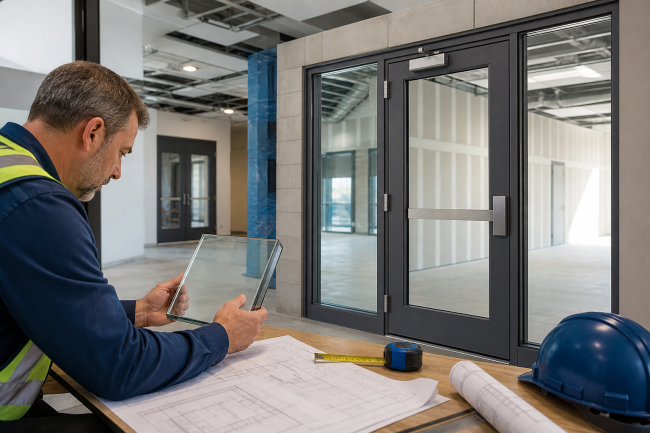
Learn how to match fire-rated glass, framing, doors, and hardware to the rated opening, project documents, and authority having jurisdiction.

A complete quote request helps commercial glass, fire-rated glass, and aluminum storefront materials align with project requirements before ordering.
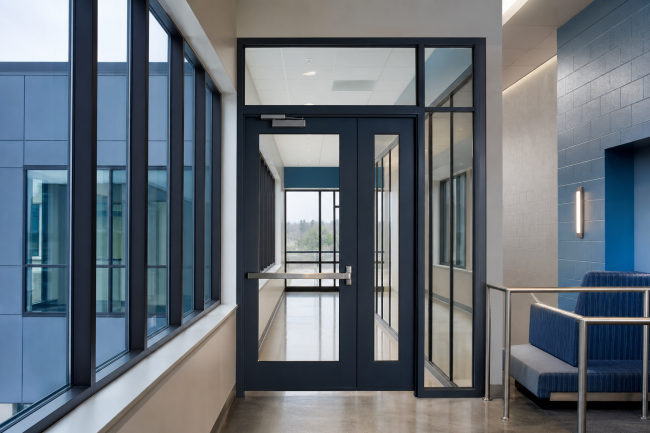
A practical guide to evaluating KERALITE® SELECT fire-rated glass ceramic for rated commercial openings, from fire-rating requirements and opening type to compatible framing and submittal coordination.
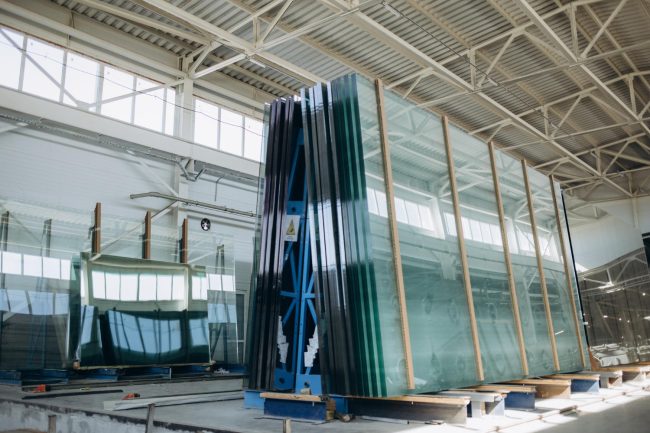
Glass has become one of the defining features of modern commercial architecture. Large storefronts, expansive office windows, and daylight-filled public spaces create attractive buildings while improving the experience for occupants. At the same time, those same glass surfaces have a direct impact on energy consumption, occupant comfort, and long-term operating costs. Selecting the right insulated…

A commercial building can have an impressive exterior, modern finishes, and an efficient mechanical system, but if outside noise constantly enters the space, occupants notice it almost immediately. Traffic, construction equipment, aircraft, trains, weather, and nearby businesses all contribute to noise pollution that affects comfort and productivity. For many commercial buildings, controlling sound has become…