
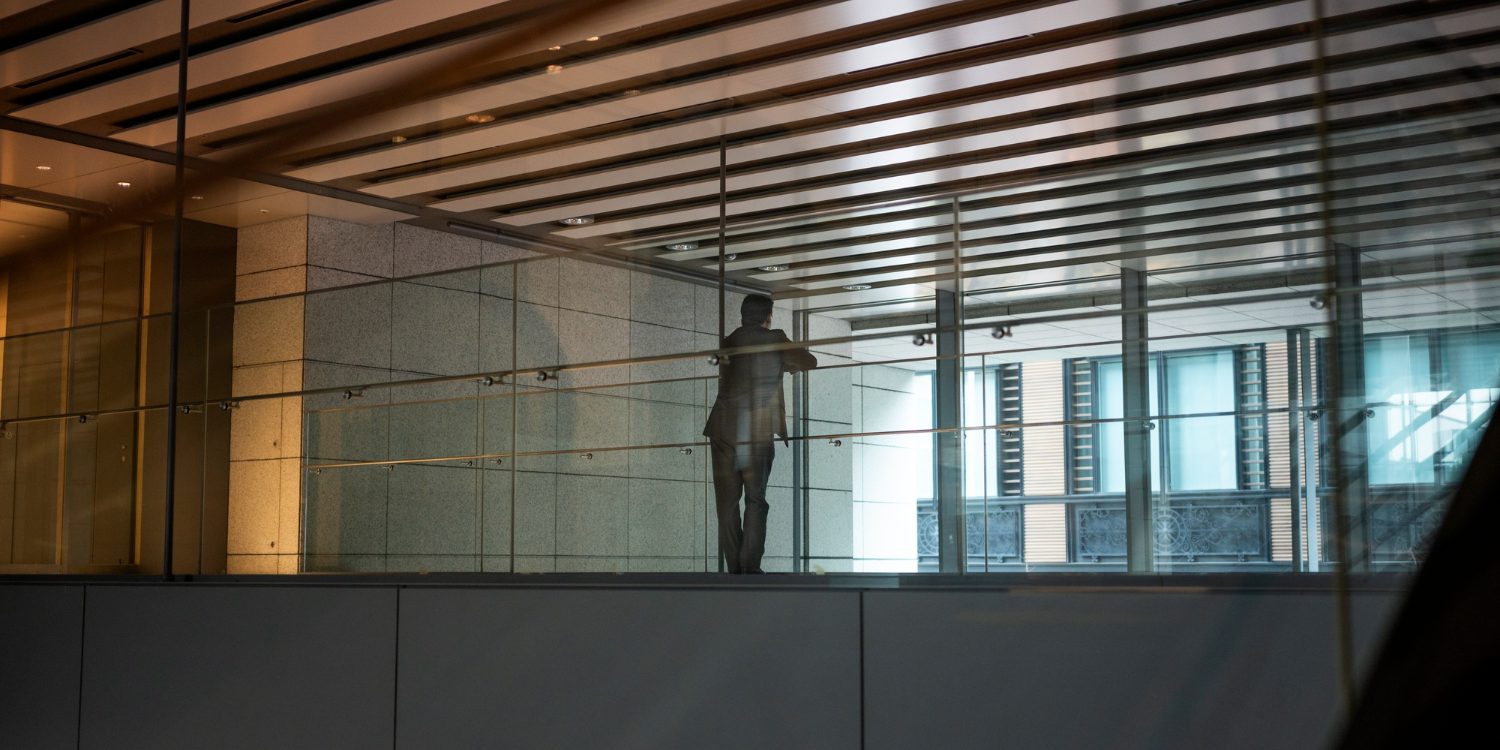
Glass selection affects far more than appearance in commercial construction. It influences privacy, lighting, visibility, maintenance, and the overall customer experience inside a building. For glazing contractors, architects, and general contractors, choosing between clear and patterned glass often comes down to balancing function with design.
While patterned glass can create visual interest and added privacy, clear glass continues to dominate many commercial projects because of its simplicity, versatility, and performance. In many situations, simplicity actually outperforms style.
Understanding when to use each type of glass helps contractors deliver better long-term results for clients across Texas, Oklahoma, Louisiana, Arkansas, Missouri, Kansas, and New Mexico.
What Is Clear Glass?
Clear glass is standard transparent architectural glass that allows maximum visibility and natural light transmission. It is commonly used in:
- Storefront systems
- Commercial entrances
- Office buildings
- Restaurants
- Schools
- Medical facilities
- Interior partitions
Clear glass creates an open and modern appearance while supporting visibility both inside and outside the building.
Advantages of Clear Glass
One reason clear glass remains so popular is its versatility. It works with almost every architectural style and commercial environment.
Maximum Natural Light
Clear glass allows the highest level of visible light transmission. This helps brighten interiors naturally and can reduce the need for artificial lighting during daytime hours.
In office spaces and retail environments, natural light often creates a more welcoming atmosphere for customers and employees.
Better Visibility
Retail stores frequently rely on clear storefront glass because visibility directly affects customer engagement. Clear glass allows businesses to showcase products, displays, and interior branding from outside the building.
Restaurants, dealerships, and commercial showrooms also benefit from improved visibility.
Clean and Timeless Appearance
Design trends change constantly, but clear glass remains timeless. It works well with modern storefront systems, aluminum framing, and contemporary architectural styles without feeling outdated over time.
Many architects prefer clear glass because it creates a minimal and professional appearance.
Easier Coordination with Other Materials
Clear glass pairs easily with:
- Aluminum storefront systems
- Curtain walls
- Door hardware
- Low-E coatings
- Tinted glazing systems
- Insulated glass units
This flexibility simplifies specification and fabrication for glazing contractors.
What Is Patterned Glass?
Patterned glass, sometimes called textured or obscure glass, contains decorative textures or designs rolled into the glass surface during manufacturing.
The texture changes how light passes through the glass while reducing visibility.
Patterned glass is commonly used in:
- Bathrooms
- Conference rooms
- Privacy partitions
- Decorative storefront sections
- Hospitality projects
- Religious buildings
- Specialty architectural applications
Advantages of Patterned Glass
Patterned glass serves important functional and aesthetic purposes in commercial design.
Increased Privacy
The biggest advantage of patterned glass is privacy. It allows light to pass through while obscuring direct visibility.
This makes it useful for:
- Medical offices
- Meeting rooms
- Restrooms
- Interior office partitions
- Entry doors
- Security-sensitive areas
In some environments, patterned glass eliminates the need for blinds or window coverings.
Decorative Appearance
Architects often use patterned glass to create visual texture and add character to commercial spaces.
Different patterns can create:
- Modern looks
- Traditional styles
- Frosted appearances
- Distorted visibility
- Diffused lighting effects
Patterned glass can help buildings stand out visually without relying on additional decorative materials.
Reduced Glare
Some textured glass patterns soften harsh sunlight and reduce glare inside buildings.
This can improve comfort in office environments or customer-facing spaces with large glass areas.
When Clear Glass Outperforms Patterned Glass
While patterned glass has its place, many commercial projects still benefit more from clear glass systems.
Retail Storefronts
Retail environments depend heavily on visibility. Patterned glass can partially block displays, products, and branding from outside the building.
Clear storefront glass creates a stronger visual connection between the business and passing customers.
For this reason, most shopping centers, restaurants, and commercial retail spaces use clear glass in primary storefront systems.
Modern Commercial Design
Many modern buildings prioritize clean lines and minimal distractions. Clear glass supports this style better than heavily textured decorative glass.
Architects often prefer simplicity because it:
- Ages better visually
- Works with changing tenant designs
- Maintains a professional appearance
- Supports open-concept interiors
Easier Maintenance
Patterned glass can sometimes collect dirt, fingerprints, and residue within textured surfaces, making cleaning more difficult.
Clear glass usually provides easier maintenance and faster cleaning, especially in high-traffic commercial spaces.
Better Daylight Performance
Although patterned glass still transmits light, clear glass generally allows more natural daylight into the building.
This can improve:
- Employee comfort
- Customer experience
- Energy efficiency
- Interior brightness
When Patterned Glass Makes Sense
There are still many situations where patterned glass becomes the better choice.
Privacy Without Sacrificing Light
Patterned glass works extremely well when buildings need privacy but still want natural light.
This is common in:
- Healthcare facilities
- Educational buildings
- Hospitality projects
- Corporate offices
Decorative Architectural Features
Some commercial spaces use patterned glass as an accent rather than the primary glazing system.
For example:
- Conference room walls
- Entry accents
- Decorative sidelites
- Interior partitions
Used strategically, patterned glass can create visual interest without overwhelming the design.
Safety and Wayfinding
Certain textured patterns improve visibility awareness and reduce accidental collisions with large glass panels.
This can help in busy commercial environments where large uninterrupted glass walls may otherwise become difficult to see.
Combining Clear and Patterned Glass
Many successful commercial projects use both clear and patterned glass together.
For example:
- Clear storefront glass for visibility
- Patterned conference room glass for privacy
- Decorative entry accents combined with transparent viewing areas
This balanced approach allows contractors and architects to achieve both functionality and aesthetics.
How Glass Selection Impacts Fabrication
Glass choice affects fabrication, handling, and installation processes.
Glazing contractors should evaluate:
- Glass thickness
- Tempering requirements
- Laminating compatibility
- Insulated unit performance
- Edgework requirements
- Long-term maintenance expectations
Patterned glass may require additional coordination during fabrication depending on pattern direction and visibility requirements.
Energy Efficiency Considerations
Both clear and patterned glass can be paired with:
- Low-E coatings
- Laminated construction
- Tinted glazing
- Insulated glass units
Energy performance depends more on the full glazing system than on surface texture alone.
For projects across Texas and surrounding states, energy efficiency continues to play a major role in commercial glazing decisions due to extreme seasonal temperatures.
Why Regional Supply Matters
Contractors often face tight schedules and changing project timelines. Access to dependable regional inventory can significantly reduce delays.
Sky Building Materials supports glazing contractors, fabricators, and commercial builders with glass products, storefront materials, aluminum systems, and insulated glass solutions across Texas, Oklahoma, Louisiana, Arkansas, Missouri, Kansas, and New Mexico.
Regional locations help improve material availability and lead times for commercial projects.
Conclusion
Clear and patterned glass both serve important roles in commercial construction. Clear glass delivers maximum visibility, timeless aesthetics, easier maintenance, and stronger daylight performance. Patterned glass provides privacy, decorative texture, and unique architectural effects.
In many modern commercial environments, simplicity often outperforms style because clean, functional glazing systems remain versatile and timeless.
The best solution depends on the project goals, traffic flow, privacy needs, and architectural vision.
For contractors and fabricators looking for commercial glass, insulated units, laminated glass, storefront materials, and aluminum systems, Sky Building Materials Contact Page offers regional support and product availability across multiple markets. Stay updated through the Sky Building Materials Facebook Page.
Dallas: 10835 Shady Trail Dallas, Texas 75220 | (972) 807-9616
Houston: 4600 S Pinemont Drive Houston, TX 77041 | (346) 200-5046
Tulsa: 7655 E 41st St. Tulsa, OK 74145 | (918) 505-2333