Aluminum storefront systems are a common choice in commercial construction. They provide strength, durability, and a clean architectural appearance that works well in retail spaces, office buildings, and schools.
However, not all aluminum storefront systems perform the same way. One of the most important differences is whether the system includes a thermal break.
Thermal break storefront systems are designed to reduce heat transfer through the aluminum framing. Non-thermal systems, on the other hand, do not include this insulation barrier.
For glazing contractors and general contractors, understanding the difference between these two systems helps ensure the correct materials are selected for each project.
Choosing the right system affects energy efficiency, interior comfort, and long-term building performance.
What Is an Aluminum Storefront System?
An aluminum storefront system is a framing system used to support glass panels in commercial building entrances and facades.
These systems typically include:
- Vertical aluminum mullions
- Horizontal framing members
- Glass panels or insulated glass units
- Entry doors and door hardware
- Anchoring systems connected to the building structure
Storefront systems are commonly used on the ground level of commercial buildings where customers enter the space.
Because these areas often feature large glass panels, the framing system must provide structural support while maintaining a modern appearance.
What Is a Thermal Break?
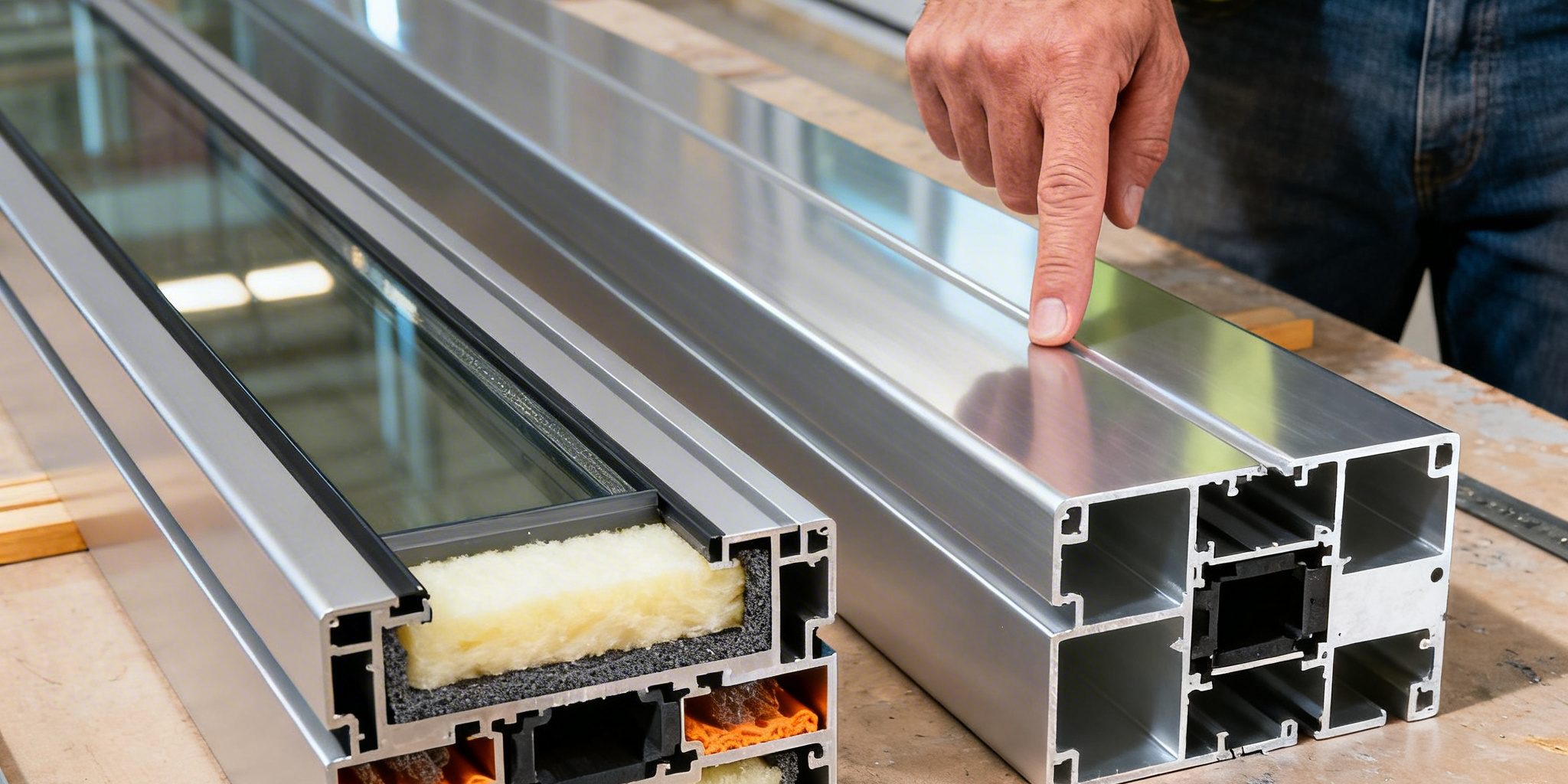
A thermal break is a barrier placed between the interior and exterior sections of an aluminum frame.
Aluminum is a highly conductive material. Without insulation, heat easily travels through the metal frame from one side of the building to the other.
A thermal break interrupts this heat transfer by separating the aluminum frame into two sections with a non-conductive material.
This material is often made from reinforced polyamide or other insulating components.
By preventing heat from moving directly through the frame, thermal break systems improve the overall energy efficiency of the storefront.
How Thermal Break Storefront Systems Improve Energy Efficiency
Thermal break storefront systems reduce the amount of heat that moves through the aluminum framing.
This helps improve several aspects of building performance.
Benefits of thermal break systems include:
- Reduced heat transfer through the frame
- Improved indoor temperature stability
- Lower heating and cooling costs
- Reduced condensation on interior glass and frames
- Better energy efficiency ratings for buildings
When combined with insulated glass units and Low-E coatings, thermal break storefront systems create a much more energy-efficient building envelope.
For many modern commercial buildings, thermal break systems are often the preferred choice.
What Is a Non-Thermal Storefront System?
A non-thermal storefront system uses aluminum framing without an insulating barrier between the interior and exterior metal surfaces.
This means heat can transfer directly through the aluminum frame.
Because these systems lack insulation, they do not provide the same energy performance as thermal break systems.
However, non-thermal storefront systems still serve an important role in certain types of construction.
They are often used in areas where energy efficiency is less critical.
When Non-Thermal Systems Make Sense
Non-thermal storefront systems are commonly used in interior spaces or areas that are already climate controlled.
Examples include:
- Interior office partitions
- Mall storefront entrances inside enclosed shopping centers
- Interior glass walls
- Office lobbies within climate-controlled buildings
Because these systems do not separate interior and exterior environments, energy loss is less of a concern.
Non-thermal systems also tend to cost less than thermal break storefront systems, which can help reduce project expenses when energy performance is not required.
When Thermal Break Systems Are Recommended
Thermal break storefront systems are typically used when glass framing separates indoor and outdoor environments.
This is especially important in buildings exposed to extreme temperatures.
Thermal break systems are often recommended for:
- Exterior storefront entrances
- Office building facades
- Retail buildings with exterior glass walls
- Commercial buildings in hot or cold climates
- Projects requiring energy efficiency standards
In warmer climates such as Texas, Oklahoma, and Louisiana, thermal break systems help reduce heat entering the building. This helps lower cooling costs and maintain comfortable indoor temperatures.
Condensation Control in Storefront Systems
Condensation can form when warm air meets a cold surface. In aluminum storefront systems without thermal breaks, interior surfaces can become cold enough to cause condensation.
This moisture can lead to several issues, including:
- Water buildup on frames
- Interior humidity problems
- Damage to surrounding building materials
Thermal break storefront systems help reduce condensation by preventing temperature transfer through the aluminum frame.
This improves comfort and protects building materials over time.
Structural Strength and Performance
Both thermal and non-thermal aluminum storefront systems provide strong structural support for glass panels.
The main difference between the two systems is thermal performance rather than structural strength.
Modern storefront systems are engineered to handle:
- Wind pressure
- Building movement
- Heavy glass panels
- Daily use in high-traffic areas
Contractors often select systems based on the building’s energy requirements rather than structural differences.
Choosing the Right Storefront System for the Project
Selecting the correct storefront system involves evaluating several factors.
Contractors and architects typically consider:
- Whether the storefront is interior or exterior
- Local climate conditions
- Building energy efficiency goals
- Project budget
- Local building code requirements
Working with experienced suppliers helps ensure the correct storefront system is selected for the project.
Choosing the right materials early in the design process helps prevent costly changes later in construction.
Why Material Quality Matters in Storefront Systems
Aluminum storefront systems must perform reliably for many years. High-quality materials help ensure durability, proper alignment, and consistent performance over time.
Reliable suppliers help contractors source storefront materials that meet industry standards and project specifications.
This is especially important when working with insulated glass units, Low-E glass, and commercial entry systems.
Dependable materials help reduce installation issues and long-term maintenance concerns.
Conclusion
Both thermal break and non-thermal aluminum storefront systems serve important roles in commercial construction. Understanding the difference between the two helps contractors select the right framing system for each project.
Thermal break systems improve energy efficiency and reduce heat transfer in exterior storefront applications. Non-thermal systems provide a cost-effective option for interior environments where energy performance is less important.
Sky Building Materials supplies aluminum storefront materials, insulated glass units, patterned glass, and commercial door hardware for glazing contractors and fabricators throughout the region.
With locations in Dallas at 10835 Shady Trail, Dallas, Texas 75220, Houston at 4600 S Pinemont Drive, Houston, TX 77041, and a new location in Tulsa, Oklahoma, Sky Building Materials helps professionals source reliable construction materials for commercial building projects.
To learn more about available storefront systems and glass products, visit the Sky Building Materials Contact Page:
https://skybuildingmaterials.com/contact/
You can also stay connected with industry updates and product highlights on the Sky Building Materials Facebook Page.