
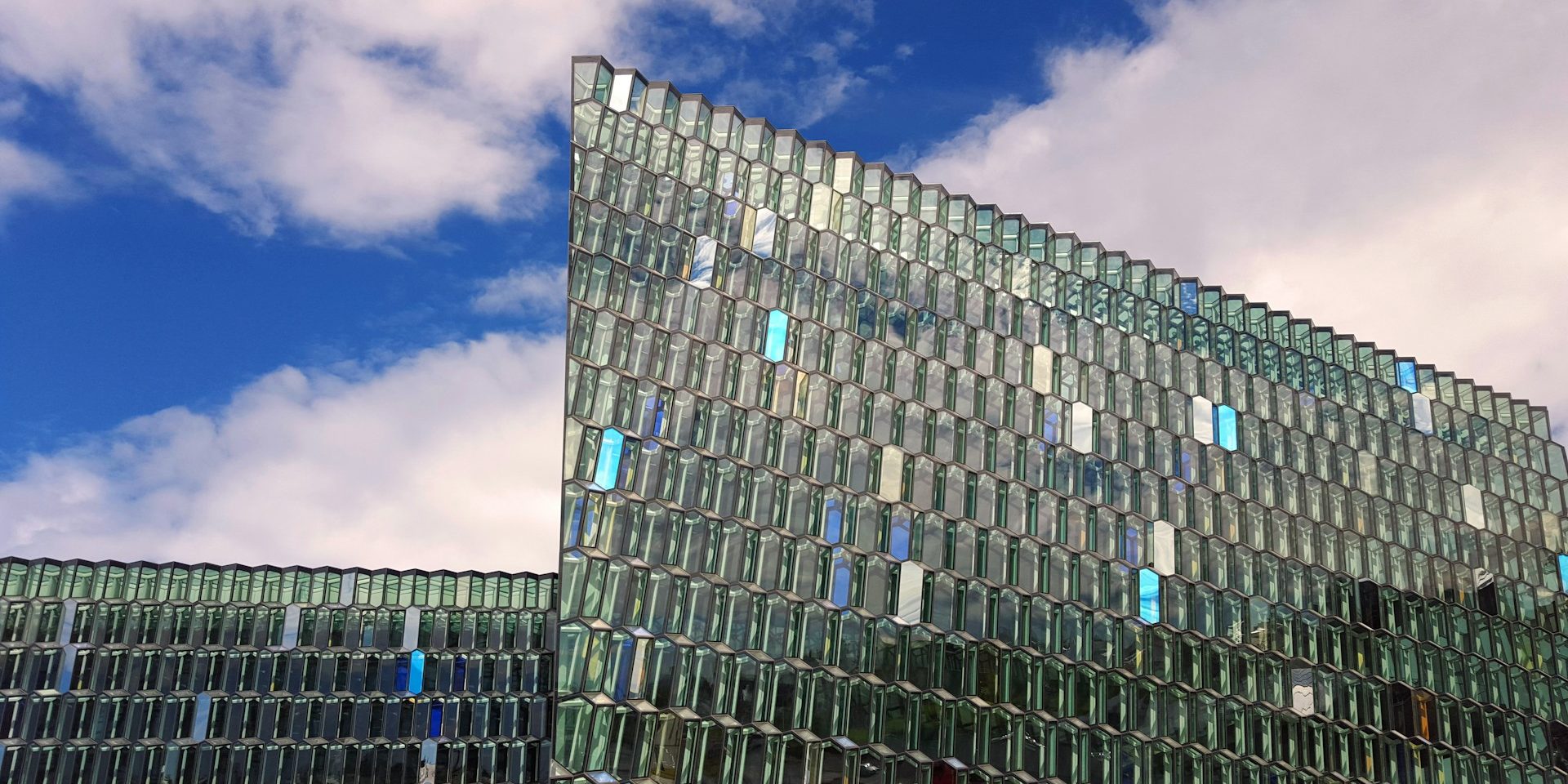
In modern commercial construction, glass has evolved beyond transparency—it’s now a key design element that blends light, texture, and privacy. One of the most versatile ways to achieve that balance is with patterned glass.
Patterned glass, also known as textured or decorative glass, provides a way for architects and builders to control light transmission and visual appeal while still meeting safety and performance standards. For glazing contractors and fabricators across Texas, Oklahoma, Louisiana, Arkansas, Missouri, Kansas, and New Mexico, it’s an opportunity to elevate both aesthetics and function in every project.
What Is Patterned Glass?
Patterned glass starts as molten glass rolled between engraved metal rollers. As the glass cools, it takes on the texture of the roller design—creating a permanent pattern that diffuses light and adds privacy.
These patterns can range from subtle ripples or linear striations to bold geometric or organic textures. Because the design is built directly into the glass, it maintains strength, clarity, and durability over time.
Patterned glass is available in clear, tinted, or Low-Iron options and can be tempered, laminated, or incorporated into IGUs, making it suitable for both interior and exterior use.
Where Style Meets Function
Patterned glass serves two primary purposes—visual design and functional performance. The right pattern transforms ordinary glass walls, doors, or facades into artful architectural statements while solving practical problems like glare, privacy, and safety.
Common commercial applications include:
- Storefronts and entryways that need light diffusion without losing brightness.
- Office partitions and conference rooms that demand privacy without feeling closed off.
- Healthcare and hospitality projects, where aesthetics and sanitation matter equally.
- Building facades that use patterned textures to create visual depth and unique exterior branding.
By controlling light transmission, patterned glass helps maintain natural daylighting while minimizing hot spots and glare—critical in southern climates with intense sunlight.
Popular Patterned Glass Types for Commercial Projects
Fabricators and designers can choose from dozens of patterns depending on the desired effect. Some of the most popular types for commercial installations include:
- Obscure or frosted patterns: Ideal for restrooms, lobbies, or clinics where privacy is essential.
- Reeded or fluted glass: Vertical lines that add height and elegance to entryways or wall panels.
- Wire glass or mesh-embedded glass: Adds strength and vintage character to industrial or restoration projects.
- Geo-patterned glass: Offers bold modern looks for branding or statement walls.
Many modern patterns can be combined with tints, coatings, or laminations to customize the level of transparency, color, and solar performance.
Energy Efficiency and Comfort
While patterned glass is primarily known for its appearance, it also contributes to energy performance—especially when used as part of an insulated glass unit (IGU). The textured surface scatters sunlight, reducing direct heat gain and improving comfort inside commercial spaces.
When paired with Low-E coatings or laminated interlayers, patterned glass helps maintain consistent indoor temperatures while allowing designers to achieve the desired level of natural light.
This makes it an excellent choice for southern projects, where managing solar exposure and cooling costs is critical.
Privacy Without Compromise
Privacy is one of the most practical benefits of patterned glass. In office buildings, restaurants, and retail stores, clients often want openness without transparency.
Unlike frosted films or applied coatings that can peel or fade, patterned glass provides built-in privacy that lasts the life of the glass. It diffuses images and movement while keeping the space bright and inviting—no curtains or blinds needed.
For conference rooms, hospital waiting areas, and storefronts, this balance between openness and discretion is invaluable.
Safety and Durability in Commercial Use
Patterned glass can be manufactured to meet the same safety standards as clear glass. It can be tempered for strength or laminated for shatter resistance, depending on local building codes.
Because the texture is pressed into the glass during production, it won’t scratch or wear off, even in high-traffic environments. When installed in aluminum doors or storefront framing systems, patterned glass offers the same durability as standard architectural glass while adding a layer of design sophistication.
Custom Fabrication and Integration Options
Glass fabricators and glazing contractors can easily integrate patterned glass into complex systems. It can be:
- Cut, drilled, and edge-polished like standard float glass.
- Used in IGUs alongside clear or tinted panes.
- Combined with colored interlayers for unique effects.
- Etched, sandblasted, or painted for branding or signage applications.
Custom fabrication gives designers the freedom to match existing themes, create signature looks, or highlight specific building features—all without sacrificing performance or code compliance.
Design Flexibility and Aesthetic Appeal
Architects increasingly use patterned glass to create distinct visual identities for commercial buildings. It allows them to manipulate light, shadow, and texture in ways traditional glazing cannot.
In retail and hospitality environments, it adds a sense of craftsmanship and luxury. In corporate spaces, it delivers a modern, professional tone that enhances brand perception.
For example:
- A boutique hotel may use fluted glass in the lobby for subtle diffusion and warmth.
- A medical clinic might install obscure patterned panels in exam areas for privacy and hygiene.
- A tech campus could incorporate custom geometric textures into its façade for brand distinction.
These applications show how patterned glass blends design with purpose—making it both beautiful and practical.
Regional Considerations for Southern U.S. Projects
The southern climate presents unique challenges for façade materials. Intense sunlight, humidity, and temperature swings demand glass systems that can handle both exposure and efficiency.
Patterned glass performs well in these conditions because it:
- Reduces glare without darkening interiors.
- Minimizes visible smudges or streaks from humidity.
- Maintains privacy even in high-light conditions.
- Offers texture that hides imperfections over time.
When combined with energy-efficient coatings and aluminum framing, it delivers both visual distinction and real performance value.
Why Builders Choose Sky Building Materials
At Sky Building Materials, we help builders, glazing contractors, and fabricators across the South access the materials they need for success—from patterned and Low-E glass to aluminum doors, storefront framing, and door hardware.
Our team works with professionals who demand quality, consistency, and speed. Whether you’re fabricating for a small retail renovation or a multi-story commercial façade, we provide:
- Reliable access to patterned glass options in multiple textures and thicknesses.
- Guidance on matching glass types with IGUs and coatings.
- Fast turnaround for both standard and custom orders.
We know that every project reflects your reputation—so we make sure your materials do too.
Conclusion & Call to Action
Patterned glass represents the perfect blend of art and engineering—bringing texture, privacy, and performance to modern commercial spaces. From storefronts to statement walls, it allows builders and designers to create light-filled, energy-smart environments that stand apart.
For premium patterned glass, architectural glazing, aluminum framing systems, and commercial door hardware, partner with Sky Building Materials—your trusted source for quality materials across the Southern U.S.
➡️ Contact Sky Building Materials
➡️ Follow Sky Building Materials on Facebook