
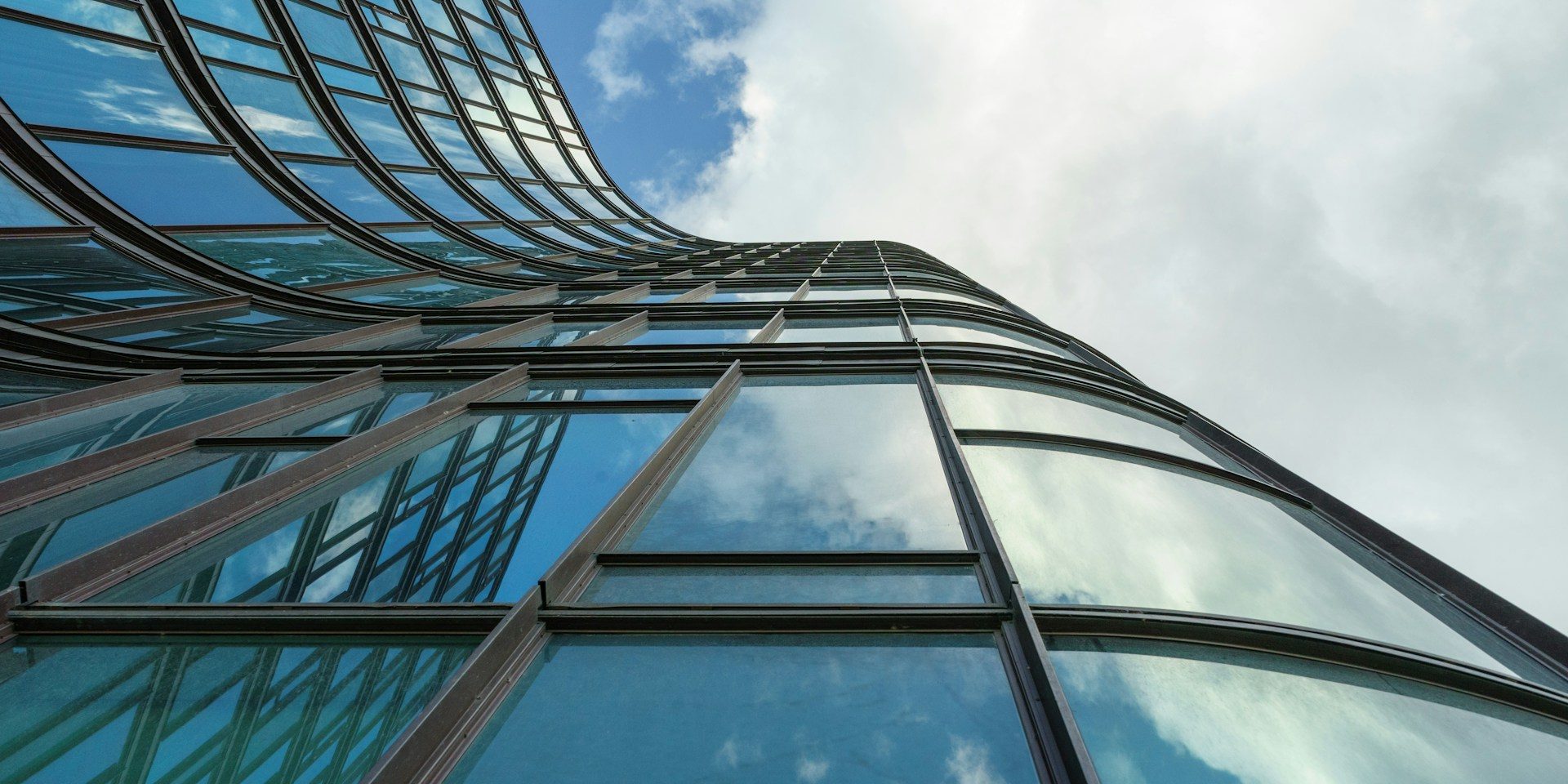
In the southern U.S., glass isn’t just a design choice — it’s a performance decision. Contractors and fabricators in Texas, Oklahoma, Louisiana, New Mexico, Arkansas, Missouri, and Kansas deal with months of blazing heat and intense sunlight. The wrong glass type can turn a comfortable building into a sauna, drive up energy costs, and strain HVAC systems. Two of the most popular solutions for reducing heat gain are Low-E (low-emissivity) glass and tinted glass. Both have advantages, but the best choice depends on your project’s purpose, location, and exposure.
Let’s break down the real differences, where each material shines, and what works best when you’re building for the heat.
Understanding Low-E Glass
Low-E glass is engineered for energy performance. It’s coated with microscopically thin metal oxide layers that reflect infrared and ultraviolet light while allowing visible light through. The result? A clear view with a powerful thermal barrier.
In practical terms, Low-E coatings keep indoor spaces cooler in summer and warmer in winter. They’re designed to minimize solar heat gain coefficient (SHGC) — a key factor for energy codes across the South.
For glazing contractors and general contractors, Low-E glass simplifies code compliance and delivers measurable ROI for clients. When installed correctly, it helps lower energy bills, reduce HVAC loads, and extend the life of interior materials by blocking UV-related fading.
How Tinted Glass Works
Tinted glass manages heat differently. Instead of reflecting energy, it absorbs sunlight to reduce glare and brightness. Common tints include gray, bronze, blue, and green. These pigments reduce the visible light transmission (VLT), cutting glare and creating a more comfortable environment — especially in high-exposure commercial or storefront applications.
While tinted glass doesn’t provide the same insulation value as Low-E, it’s often used where glare control and privacy are just as important as energy efficiency. It also provides a strong visual appeal — the darker tones help designers match modern facades and align with architectural trends in hot-weather states.
Energy Efficiency Comparison
When energy performance is the main goal, Low-E glass wins. Its reflective coating blocks a significant portion of infrared radiation, meaning less heat enters the building. Tinted glass, while helpful for glare reduction, still allows absorbed heat to pass inward over time.
That’s why in commercial projects with large glazed areas, Low-E glass typically offers better long-term energy savings. For example, a storefront in Dallas or Houston can reduce cooling loads by up to 40% using double-pane Low-E glass compared to untinted float glass.
However, in applications where aesthetic control or budget is the top concern — such as interior partitions, decorative glazing, or cost-sensitive retail projects — tinted glass still serves a valuable role.
Cost and Installation Factors
Price often drives material selection, especially for contractors working under tight bid constraints. Low-E glass costs more upfront due to its coating process and performance rating. However, over a building’s life cycle, that premium often pays for itself in reduced utility costs.
Tinted glass, on the other hand, is generally less expensive initially and easier to source in bulk. For simple installations where energy codes don’t require Low-E coatings, tinted glass remains a reliable, cost-effective solution.
Both options are available in single, double, or insulated glass units (IGUs), and both can be combined with laminated or tempered safety features to meet project specs.
Climate and Regional Considerations
In southern states, especially Texas and Oklahoma, summers are long and UV exposure is relentless. Low-E glass is ideal for these environments because it limits solar gain without sacrificing clarity. Tinted glass can complement it in designs that demand shading or visual uniformity.
In regions like Louisiana or Arkansas, where humidity adds to discomfort, Low-E glass provides superior condensation resistance. Meanwhile, New Mexico and West Texas—with their high solar intensity—benefit from pairing Low-E coatings with light gray or blue tints for balanced comfort and style.
Missouri and Kansas contractors often specify Low-E glass for energy compliance under IECC standards, particularly in commercial renovations and public facilities.
Combining Low-E and Tinted Technologies
Here’s where things get interesting: many glass manufacturers now offer tinted Low-E glass, which merges both benefits. The tint adds aesthetic value and glare reduction, while the Low-E coating maintains high energy performance.
For glazing contractors, this hybrid option simplifies material selection and reduces the need to compromise between appearance and efficiency. Sky Building Materials sources and distributes multiple variations of these products — allowing contractors to choose by performance, color, and visible light transmission.
Impact on Building Comfort and Design
Beyond energy savings, occupant comfort is a critical factor. Low-E glass maintains consistent indoor temperatures by reducing radiant heat transfer. That means fewer hot spots near windows and better year-round comfort.
Tinted glass creates a visually cooler environment, reducing glare for occupants working near windows — a big benefit for retail stores, lobbies, and offices. The aesthetic flexibility also allows architects to define a building’s visual identity without relying solely on shading systems.
Sustainability and Environmental Benefits
Both glass types contribute to sustainable design, but Low-E glass takes the lead in reducing operational carbon emissions. Lower cooling demand directly translates into reduced energy consumption, aligning with LEED and Energy Star guidelines.
Tinted glass can still play a role in green building design, especially when sourced through regional suppliers like Sky Building Materials, who help reduce shipping emissions and provide localized support for high-volume projects.
Making the Right Choice for Your Project
If you’re building or renovating in the southern U.S., the best choice depends on project priorities:
- Choose Low-E glass for maximum energy efficiency, code compliance, and comfort.
- Choose tinted glass for glare control, cost efficiency, or architectural style.
- Combine both when performance and design flexibility matter equally.
The best results come from aligning your glazing materials with your environment, budget, and client goals — and partnering with a supplier who understands the regional climate and product options available.
Conclusion: The Smart Choice for Southern Contractors
Whether you’re specifying glass for a new storefront, curtain wall, or large-scale window fabrication project, Sky Building Materials provides the expertise and supply chain to match your performance and aesthetic needs.
We stock and source Low-E, tinted, laminated, insulated, and specialty glass across Texas and the southern region — ensuring your projects stay efficient, compliant, and visually striking.
Visit Sky Building Materials in Dallas at 10835 Shady Trail, Dallas, Texas 75220 (972) 807-9616 or in Houston at 4600 S Pinemont Drive, Houston, TX 77041 (346) 200-5046.
For project quotes, material specs, or delivery coordination, visit the Sky Building Materials Contact Page or connect with our team on the Sky Building Materials Facebook Page.