
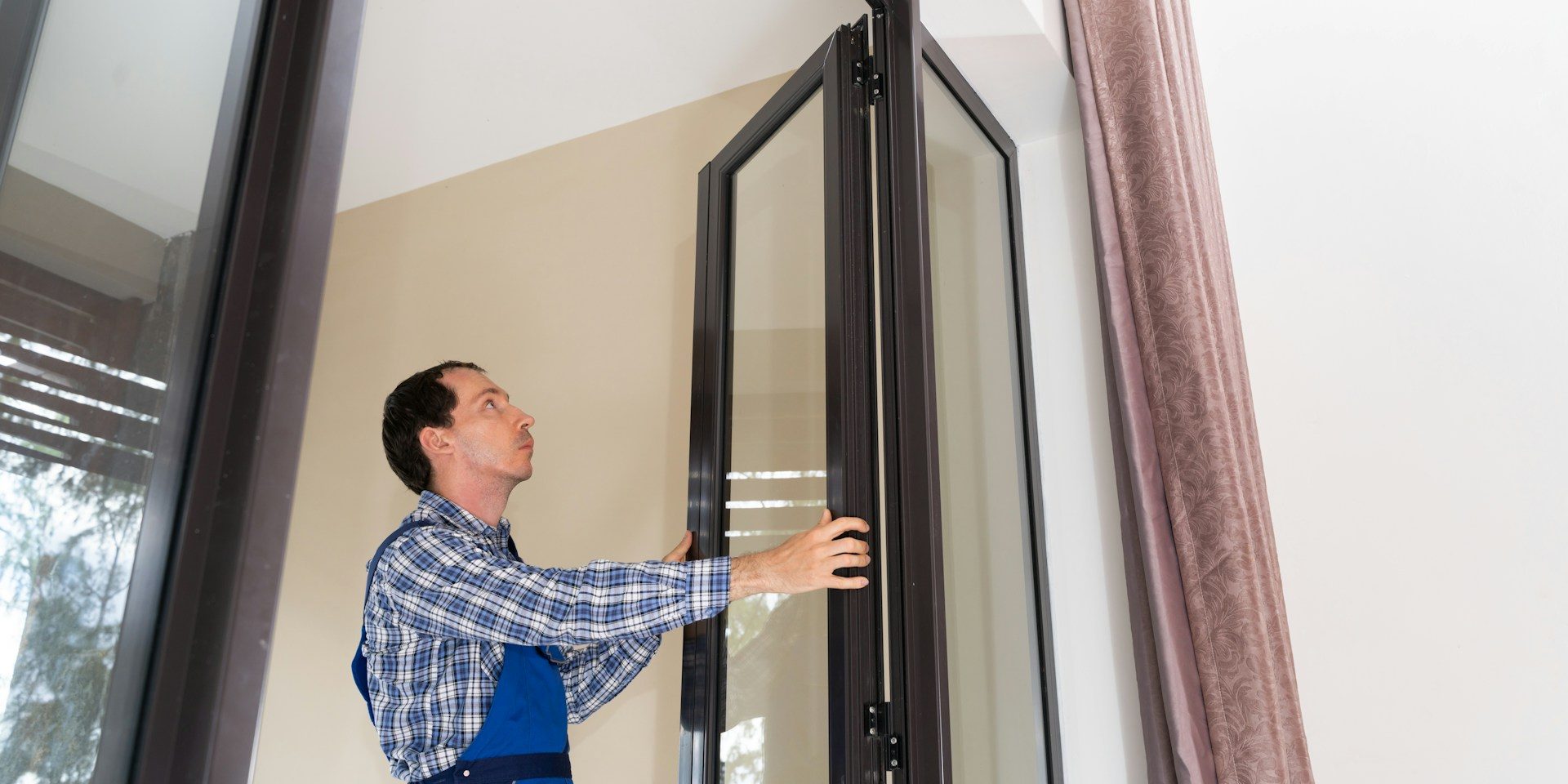
Installing commercial glass doors isn’t just about hanging glass in a frame — it’s about precision, alignment, and safety. Whether you’re building a new storefront, updating an entryway, or replacing old hardware, a flawless installation requires attention to detail and the right materials.
For glazing contractors and general contractors across Texas, Oklahoma, Louisiana, New Mexico, Arkansas, Missouri, and Kansas, the challenge often comes down to time, accuracy, and sourcing everything in one place. This guide breaks down how to install commercial glass doors correctly, what materials you’ll need, and how to avoid costly mistakes that can ruin a good project.
1. Choose the Right Door Type for the Project
Before picking up tools, decide what kind of commercial glass door your project needs. Each option offers different benefits depending on traffic, visibility, and security requirements.
- Aluminum-Framed Glass Doors: Durable, lightweight, and ideal for high-traffic areas like offices, showrooms, and retail stores.
- Full-Glass (Frameless) Doors: Sleek, modern look — perfect for interior spaces or upscale storefronts.
- Automatic Sliding Glass Doors: Common in hospitals and retail centers, designed for accessibility and hands-free operation.
- Double-Action or Pivot Doors: Provide smooth swinging motion and are commonly used in restaurant and hospitality applications.
Sky Building Materials supplies all major door systems and components — including framing, pivots, closers, and tempered glass — so contractors can order everything from one source.
2. Measure Twice, Cut Once — Precision Matters
Glass doors leave no margin for error. Even a quarter-inch misalignment can cause binding, rattling, or air leaks. Start with accurate measurements:
- Measure the opening width and height at multiple points (top, middle, bottom).
- Check for plumb and level — both vertically and horizontally.
- Confirm hardware clearance, especially if you’re using a transom or sidelites.
When replacing existing doors, note any wall irregularities or flooring changes that might require shim adjustments. It’s always better to adjust the frame than to force-fit a door — precision installation protects both the glass and your reputation.
3. Prepare the Opening and Frame
A successful glass door installation starts with a clean, properly prepared opening.
- Remove debris, old sealant, or anchor bolts.
- Check that the subfloor and surrounding framing are stable.
- If installing into concrete or masonry, drill anchor holes and install sleeves before placing the frame.
For aluminum storefront systems, ensure thermal breaks are intact and weatherstripping is ready to install. Sky Building Materials carries a full range of storefront framing systems that integrate directly with standard glass door hardware.
4. Assemble and Secure the Frame
Most aluminum door frames arrive in knock-down (KD) kits, ready to be assembled on-site. Follow manufacturer instructions closely, ensuring that the head and jamb pieces fit tightly and squarely.
Once assembled:
- Dry-fit the frame in the opening before fastening.
- Use shims and a level to ensure plumb alignment.
- Secure the frame with anchor screws or expansion bolts per substrate type.
Pro tip: Avoid overtightening fasteners — it can twist the frame slightly, leading to poor door operation or premature wear on pivots and closers.
5. Set the Door Glass Safely
Tempered commercial glass is strong but unforgiving. Always use suction cups and proper handling gear to move panels safely.
Steps for setting glass:
- Apply setting blocks at the sill to cushion the glass.
- Insert the glass carefully into the frame channel.
- Center the panel and confirm uniform reveals on all sides.
- Apply glazing tape or silicone per system requirements.
- Secure stops or caps — never overtighten against the glass.
Sky Building Materials offers pre-cut tempered glass panels, laminated glass, and insulated glass units (IGUs) sized for commercial systems, making installation smoother and safer.
6. Install Hardware with Care
Door hardware is where precision meets durability. Poorly installed hardware causes most post-installation service calls, so take your time here.
Common components include:
- Hinges or pivots (bottom load, center hung, or offset).
- Closers and arms (surface or concealed).
- Pull handles and push bars.
- Locking mechanisms and thresholds.
Before final tightening, open and close the door several times to confirm alignment and tension. Make small adjustments until the door moves freely and latches cleanly.
Sky Building Materials carries high-quality door hardware compatible with major aluminum and glass systems — tested for durability in high-use commercial environments.
7. Seal and Weatherproof
After the door operates smoothly, seal all perimeter joints with a professional-grade silicone or polyurethane sealant rated for exterior applications.
Focus on:
- Head and sill joints.
- Frame-to-wall transitions.
- Threshold gaps.
This step is critical in southern climates like Texas and Louisiana, where moisture and heat exposure can quickly degrade seals. Always tool the sealant smooth for a watertight finish that also looks clean and professional.
8. Test Door Operation and Adjust as Needed
Once the installation is complete, inspect the following:
- Smooth swing or slide with no scraping.
- Even gaps between glass and frame.
- Proper closing speed (for hydraulic or automatic systems).
- Lock function and weatherstripping fit.
A good rule of thumb: a commercial glass door should operate quietly and close securely with minimal effort. If the door binds or drags, recheck your frame plumb and pivot settings.
9. Clean and Inspect Before Turnover
Nothing ruins a first impression faster than fingerprints or smudges on new glass. Use a non-ammonia cleaner and microfiber cloths to polish all visible surfaces.
Inspect for:
- Scratches or chips.
- Hardware alignment.
- Sealant voids or over-application.
- Loose fasteners.
Always perform a walkthrough with your client or project manager before leaving the site. This final step helps avoid callbacks and establishes your professionalism on every job.
10. Maintenance and Long-Term Performance
Commercial glass doors are durable, but like any system, they need occasional maintenance.
Recommend clients check the following every six months:
- Lubricate pivots and closers.
- Reapply sealant if cracks appear.
- Clean and inspect thresholds and weatherstripping.
- Check closer tension and latch alignment.
A well-maintained system can last decades, protecting your craftsmanship and the building’s energy performance.
Bonus: When to Bring in a Pro
While some smaller installations are feasible for experienced contractors, large storefront or automatic glass door systems should always involve a qualified glazing partner. Sky Building Materials works with regional glass installers and hardware specialists who can handle custom builds, heavy panels, or tight deadlines safely and efficiently.
If you’re not 100% confident in load specs, safety ratings, or hardware calibration — call in a professional. It’s cheaper than replacing a cracked glass panel or malfunctioning door operator later.
Conclusion: Precision Comes from Preparation
Installing commercial glass doors requires equal parts skill, patience, and quality materials. With the right measurements, tools, and guidance, even complex projects can be executed cleanly and confidently.
Sky Building Materials provides glazing contractors and builders with everything needed for professional-grade installations — from tempered and laminated glass to aluminum frames, door hardware, and sealants.
Visit Sky Building Materials in Dallas at 10835 Shady Trail, Dallas, Texas 75220 (972) 807-9616 or in Houston at 4600 S Pinemont Drive, Houston, TX 77041 (346) 200-5046.
For product details, project quotes, or installation support, visit the Sky Building Materials Contact Page or connect with our team on the Sky Building Materials Facebook Page.