
Laminated glass has become increasingly common in commercial construction because of its strength, safety benefits, storm resistance, and acoustic performance. Contractors use it in storefront systems, schools, offices, hospitals, retail centers, and high-performance commercial buildings across Texas, Oklahoma, Louisiana, Arkansas, Missouri, Kansas, and New Mexico.
But laminated glass behaves very differently from standard annealed or tempered glass.
Cutting and handling laminated glass sheets requires additional planning, proper tools, and strict safety procedures. Without the right approach, contractors risk:
- Glass breakage
- Edge damage
- Delamination
- Worker injuries
- Fabrication issues
- Installation delays
Understanding proper laminated glass handling helps improve jobsite safety while protecting expensive materials from damage.
What Makes Laminated Glass Different?
Laminated glass consists of two or more layers of glass bonded together with a plastic interlayer, most commonly polyvinyl butyral (PVB).
Unlike standard glass, laminated units stay bonded together even after breaking.
This construction improves:
- Impact resistance
- Storm performance
- Safety
- Sound control
- UV protection
However, the interlayer also makes fabrication and handling more complex compared to standard glass products.
Why Safety Matters During Fabrication and Installation
Laminated glass sheets are often:
- Larger
- Heavier
- More expensive
- More difficult to maneuver
Improper handling can create serious safety hazards for workers and installers.
Potential risks include:
- Sharp edge injuries
- Glass collapse
- Strains and lifting injuries
- Material instability
- Edge cracking
- Delamination from moisture or heat exposure
Following proper safety procedures protects both workers and materials.
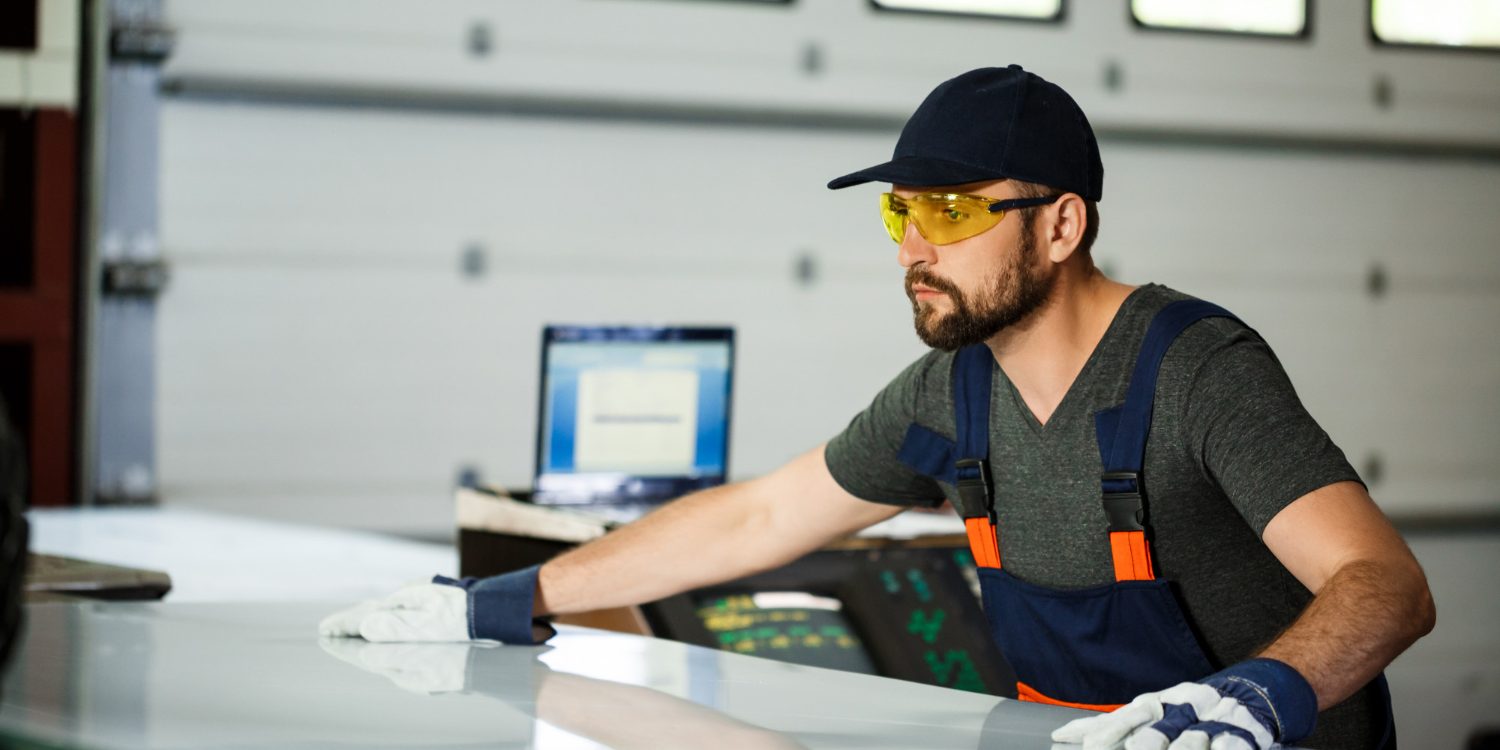
Always Use Proper Personal Protective Equipment
Before cutting or handling laminated glass, workers should wear appropriate protective gear.
Recommended PPE includes:
- Cut-resistant gloves
- Safety glasses
- Long sleeves
- Protective footwear
- Arm guards when needed
- Face shields for fabrication environments
Even though laminated glass holds together better after breakage, exposed edges can still be extremely sharp.
Safety should never be treated casually during glass fabrication or installation.
Store Laminated Glass Properly Before Handling
Improper storage creates many avoidable problems.
Laminated glass should be stored:
- Vertically at a slight angle
- On stable racking systems
- In dry environments
- Away from direct moisture exposure
- Protected from prolonged extreme heat
Poor storage conditions can contribute to:
- Edge damage
- Seal contamination
- Interlayer issues
- Glass staining
- Handling instability
Large sheets should always remain properly supported during storage and transportation.
Use the Right Equipment for Moving Glass
Because laminated glass sheets are often heavier than standard glazing materials, contractors should use proper lifting equipment whenever possible.
This may include:
- Vacuum lifters
- Glass dollies
- A-frame carts
- Mechanical lifting systems
- Suction cups
- Cranes for oversized units
Manual lifting increases the risk of injury and glass breakage, especially with oversized commercial units.
For large storefront systems and insulated laminated units, team lifting and mechanical support are often necessary.
Inspect the Glass Before Cutting
Before fabrication begins, inspect laminated glass sheets carefully for:
- Chips
- Cracks
- Edge damage
- Delamination
- Surface scratches
- Moisture contamination
Even small edge defects can spread during cutting or installation.
Identifying problems early helps prevent wasted material and installation failures later.
Use Proper Cutting Tools
Laminated glass requires specialized cutting methods because the interlayer prevents the glass from separating like standard annealed glass.
Common tools include:
- Oil-fed glass cutters
- Breakout tools
- Heat guns
- Heated cutting systems
- Specialized laminated glass cutting tables
Trying to use incorrect tools often leads to poor edge quality and damaged interlayers.
The Basic Laminated Glass Cutting Process
While fabrication methods vary, the basic process generally involves:
- Scoring the first side of the glass
- Flipping and scoring the opposite side
- Applying pressure to separate the glass layers
- Cutting or softening the interlayer
- Cleaning and finishing the edges
The interlayer itself often requires heat or specialized cutting tools to separate properly.
This process demands patience and precision.
Why Heat Control Matters
Excessive heat can damage the laminated interlayer during cutting and fabrication.
Overheating may cause:
- Delamination
- Bubbling
- Discoloration
- Adhesion failure
Controlled heating methods help soften the interlayer without damaging the overall glass unit.
Fabricators should follow manufacturer recommendations for cutting temperatures and procedures.
Edge Quality Is Extremely Important
Poor edge quality can weaken laminated glass performance over time.
Rough or damaged edges increase the risk of:
- Stress cracks
- Moisture intrusion
- Delamination
- Installation problems
Clean edge finishing helps improve long-term durability and appearance.
For exposed-edge applications, edge quality becomes even more important because imperfections remain visible after installation.
Transporting Laminated Glass Safely
Transportation is one of the most common times for glass damage to occur.
Laminated glass should always be:
- Secured properly
- Supported evenly
- Protected from shifting
- Isolated from hard impacts
- Shielded from prolonged water exposure
Improper transportation can create hidden edge damage that may not become visible until installation.
Jobsite Handling Best Practices
On active construction sites, laminated glass must be protected from:
- Debris impacts
- Welding sparks
- Harsh chemicals
- Excessive heat
- Improper stacking
- Unstable surfaces
Contractors should establish dedicated staging areas that minimize unnecessary movement and handling.
Reducing handling steps helps reduce the risk of accidental damage.
Installation Requires Proper Frame Support
Laminated glass systems depend on proper frame support and glazing practices.
Installers should verify:
- Proper setting blocks
- Compatible sealants
- Adequate edge clearances
- Correct bite dimensions
- Drainage provisions
- Expansion allowances
Improper installation can place stress on the glass and contribute to long-term performance issues.
Why More Contractors Are Using Laminated Glass
Despite the added handling complexity, laminated glass continues gaining popularity because it delivers valuable benefits:
- Storm resistance
- Impact protection
- Improved safety
- Noise reduction
- Security enhancement
- UV filtering
Many commercial projects now specify laminated glazing as part of modern building performance standards.
For glazing contractors, understanding proper fabrication and handling techniques is becoming increasingly important.
The Importance of Reliable Material Supply
Commercial glazing projects often operate on tight timelines. Reliable regional supply helps contractors avoid delays and improve scheduling flexibility.
Sky Building Materials supports glazing contractors, fabricators, and commercial builders with:
- Laminated glass
- Storefront systems
- Insulated glass units
- Aluminum framing
- Commercial glass products
- Architectural glazing materials
Regional locations in Dallas, Houston, and Tulsa help improve material accessibility throughout Texas and surrounding states.
Conclusion
Safely cutting and handling laminated glass sheets requires proper tools, training, storage, and jobsite procedures. Because laminated glass behaves differently than standard glazing products, contractors must take extra precautions during fabrication, transportation, and installation.
When handled correctly, laminated glass provides exceptional safety, durability, storm resistance, and long-term building performance.
As commercial construction increasingly moves toward high-performance glazing systems, laminated glass will continue playing a major role in modern storefronts and architectural applications.
For contractors and fabricators looking for laminated glass, storefront materials, insulated units, and commercial glazing products, Sky Building Materials Contact Page provides regional support throughout Texas, Oklahoma, Louisiana, Arkansas, Missouri, Kansas, and New Mexico. You can also stay connected through the Sky Building Materials Facebook Page.
Dallas: 10835 Shady Trail Dallas, Texas 75220 | (972) 807-9616
Houston: 4600 S Pinemont Drive Houston, TX 77041 | (346) 200-5046
Tulsa: 7655 E 41st St. Tulsa, OK 74145 | (918) 505-2333